Adaptive Lives of Hunters and Herders
Prehistoric societies thrived in expansive wilderness landscapes where, hunters and pastoralists often shared the same landscapes, with their life strategies seasonally overlapping. These dynamics allowed communities to respond flexibly to resource availability, climatic conditions, and ecological challenges. Living in vast, untouched wilderness areas provided space for movement and adaptation while preserving ecosystems for future generations.
Hunters and Pastoralists in Prehistory
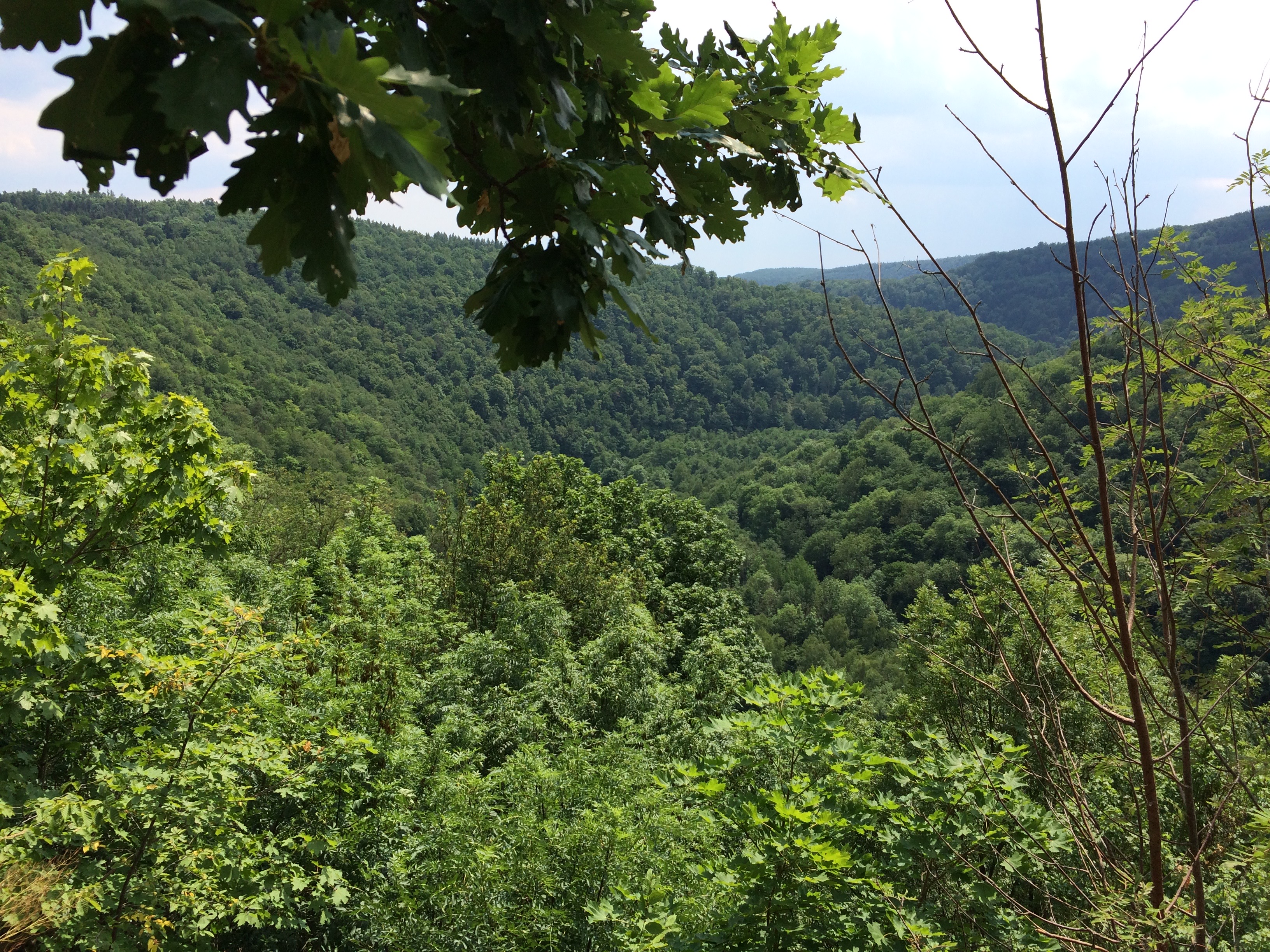
Prehistoric societies thrived in expansive wilderness landscapes, where the natural environment shaped their survival strategies and social organization. In these societies, hunters and pastoralists often shared the same landscapes, with their life strategies seasonally overlapping. These dynamics allowed communities to respond flexibly to resource availability, climatic conditions, and ecological challenges. Living in vast, untouched wilderness areas provided space for movement and adaptation while preserving ecosystems for future generations.
Seasonal Mobility of Hunters
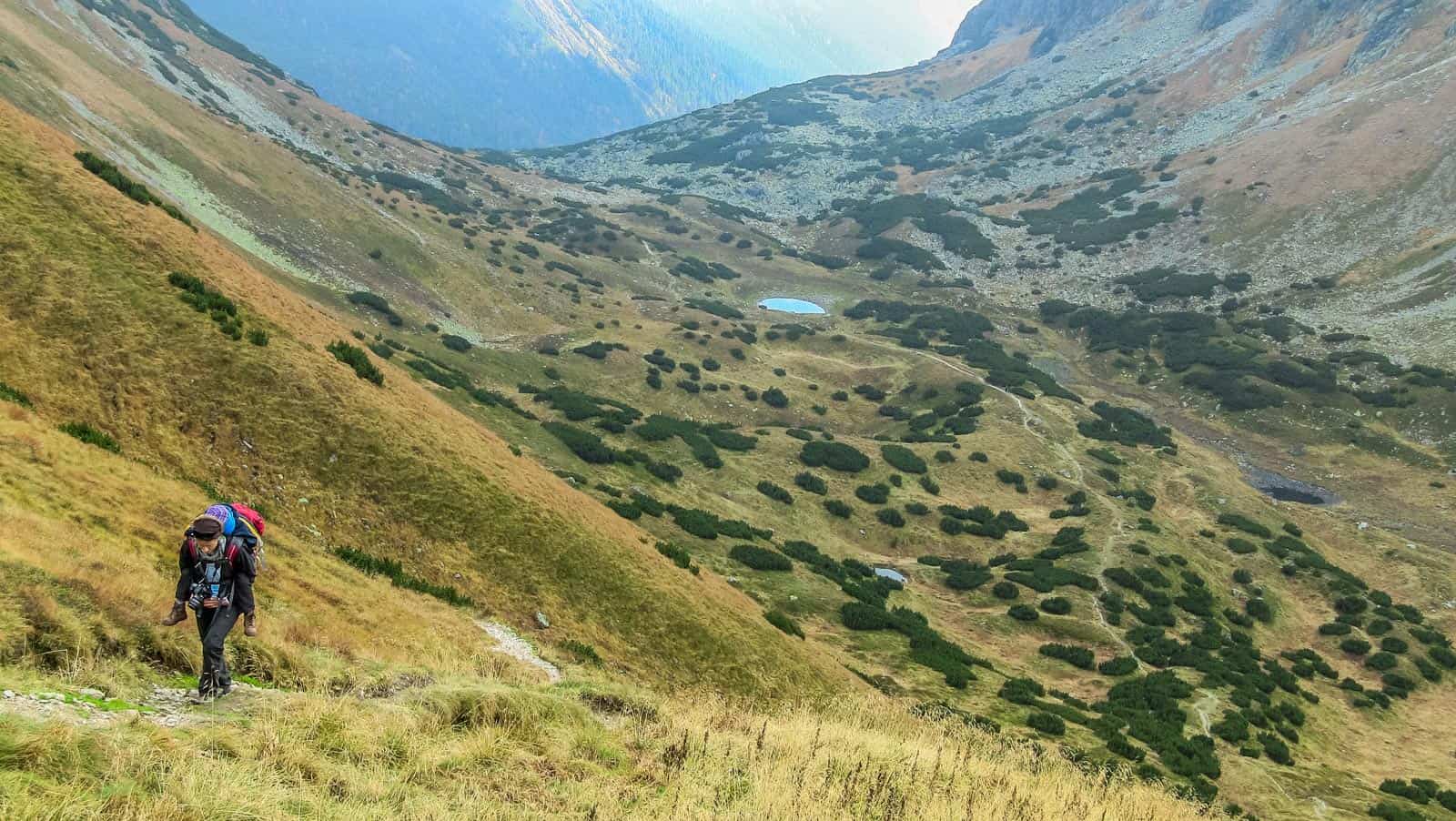
Hunters adapted to seasonal changes in the availability of game and plant resources. Their movement was often influenced by animal migrations, shifts in food availability, and climatic conditions. In wilderness areas, hunters could track herds across extensive territories with minimal human interference. This mobility was essential for securing food and ensuring community survival.
Pastoral Seasonal Mobility
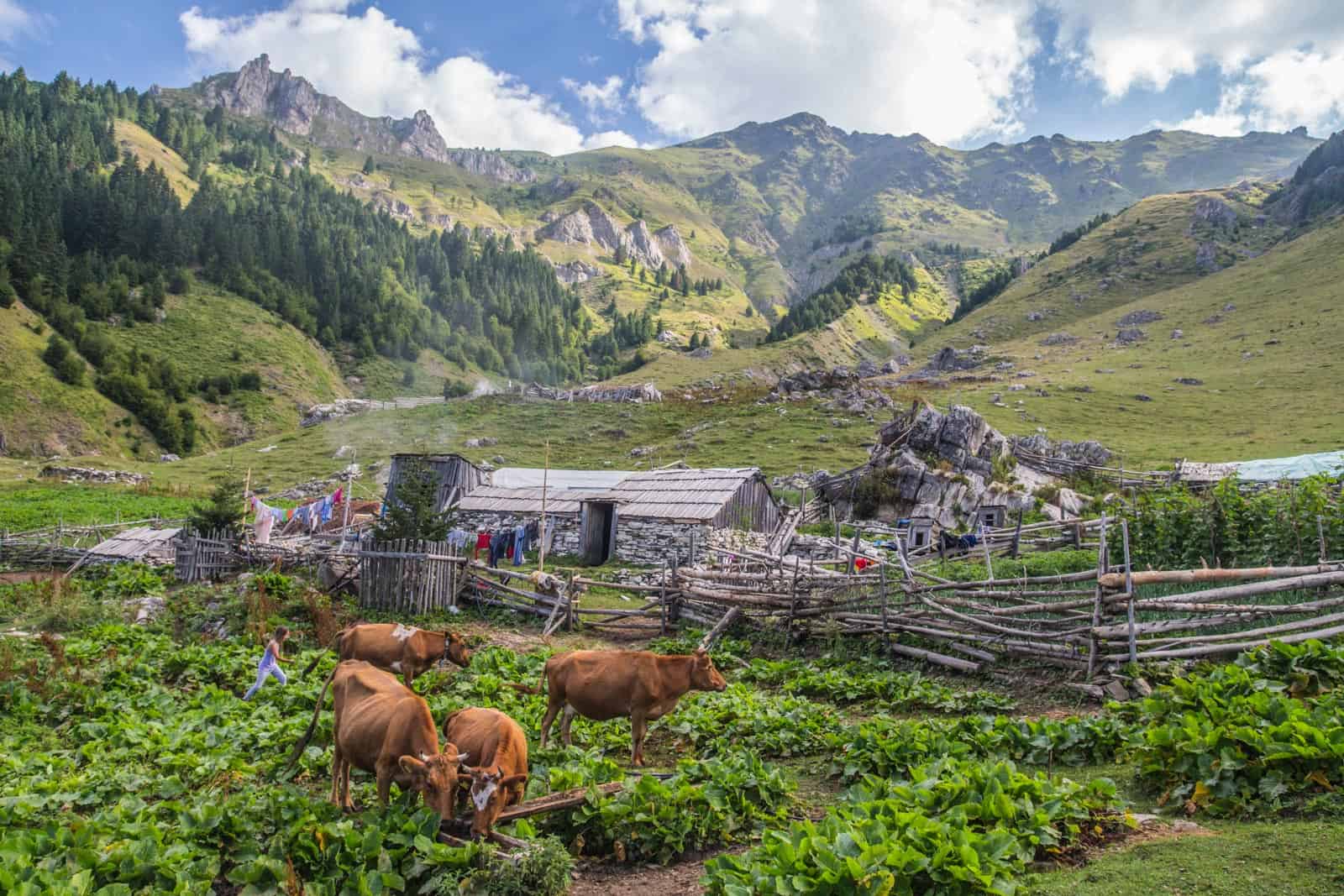
Pastoralists practiced seasonal migration, known as transhumance, which involved moving livestock between summer and winter pastures. This movement was guided by pasture and water availability, with pastoralists often spending time in areas with abundant summer grazing and moving to lower areas in winter. In wild, less disturbed regions, pastoralists had more space to move, allowing for more efficient use of natural resources and maintenance of biodiversity.
Overlap of Hunting and Pastoralism
In many regions, the life strategies of hunters and pastoralists overlapped seasonally. Hunters could follow game moving into areas where pastoralists grazed their livestock. This shared movement across the wilderness could lead to interactions between communities, including trade, exchange, or even conflicts. Sharing knowledge about the best hunting or grazing spots contributed to the efficient and sustainable use of landscapes.
Adaptation to Ecological and Climatic Conditions
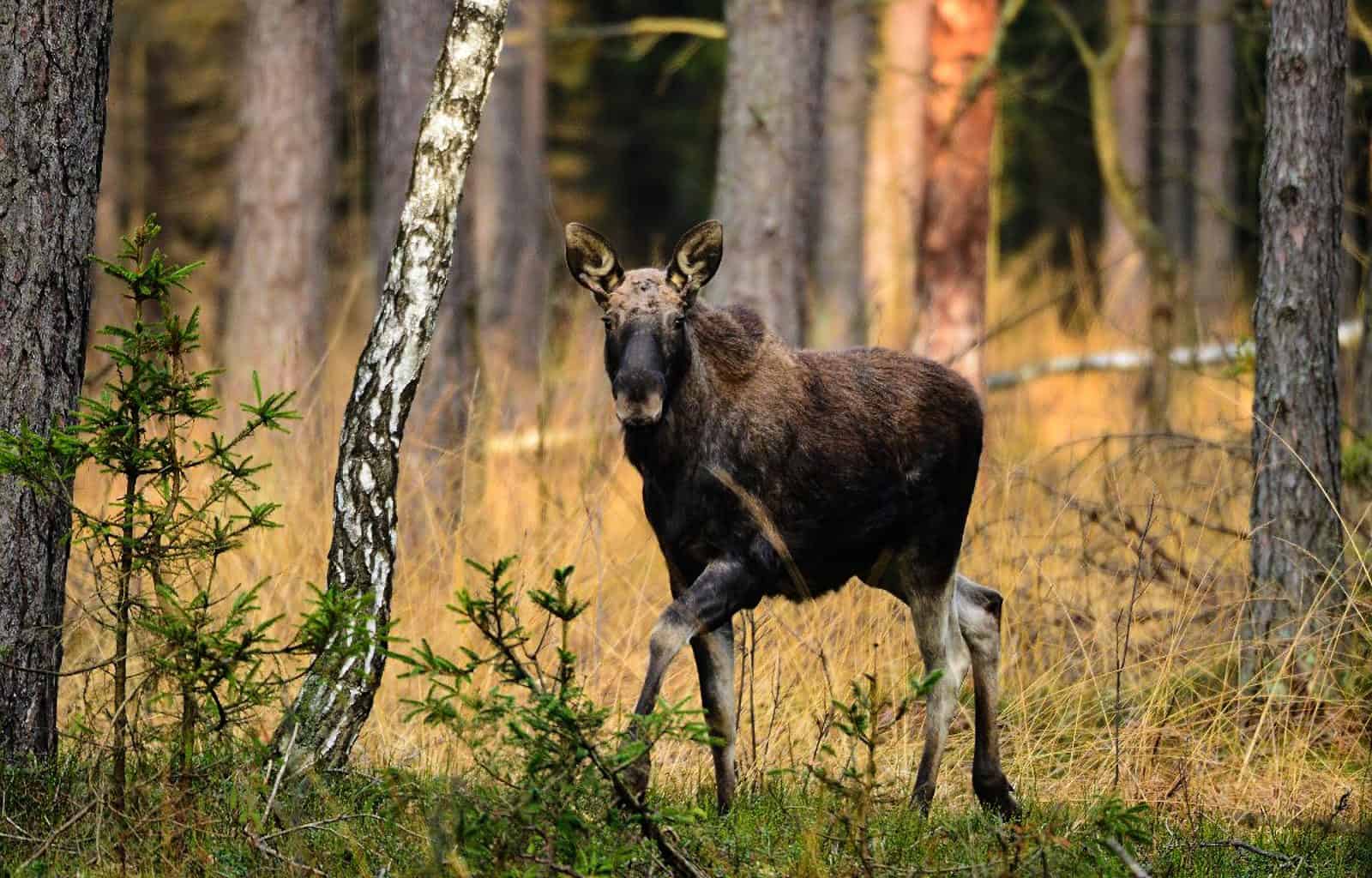
Seasonal overlap of hunting and pastoralism enabled communities to respond flexibly to ecological and climatic challenges. Movement across different ecosystems, such as forests, steppes, or mountain regions in the wilderness, allowed access to diverse food sources and reduced the risk of exhausting local resources. This adaptive approach was crucial for the survival and development of prehistoric societies while also preserving the natural environment from excessive human impact.
Conclusion
The seasonal overlap of hunter and pastoralist life in the wilderness demonstrates how prehistoric societies used flexible and adaptive strategies to survive in changing ecological and climatic conditions. This lifestyle allowed efficient use of natural resources, fostered interactions between communities, and contributed to the preservation of wilderness, remaining largely untouched and providing a foundation for future generations.
Share this:

Discover more from European Wilderness Society
Subscribe to get the latest posts sent to your email.