Habitat of Apollo butterfly
The Apollo butterfly typically inhabits alpine and subalpine meadows and grasslands. These butterflies are found in mountainous regions across Europe.
Read More

The Apollo butterfly typically inhabits alpine and subalpine meadows and grasslands. These butterflies are found in mountainous regions across Europe.
Read More
Rewilding Voices is a vital component of the innovative wildE project, funded by Horizon Europe, aimed at fostering ecological restoration and
Read More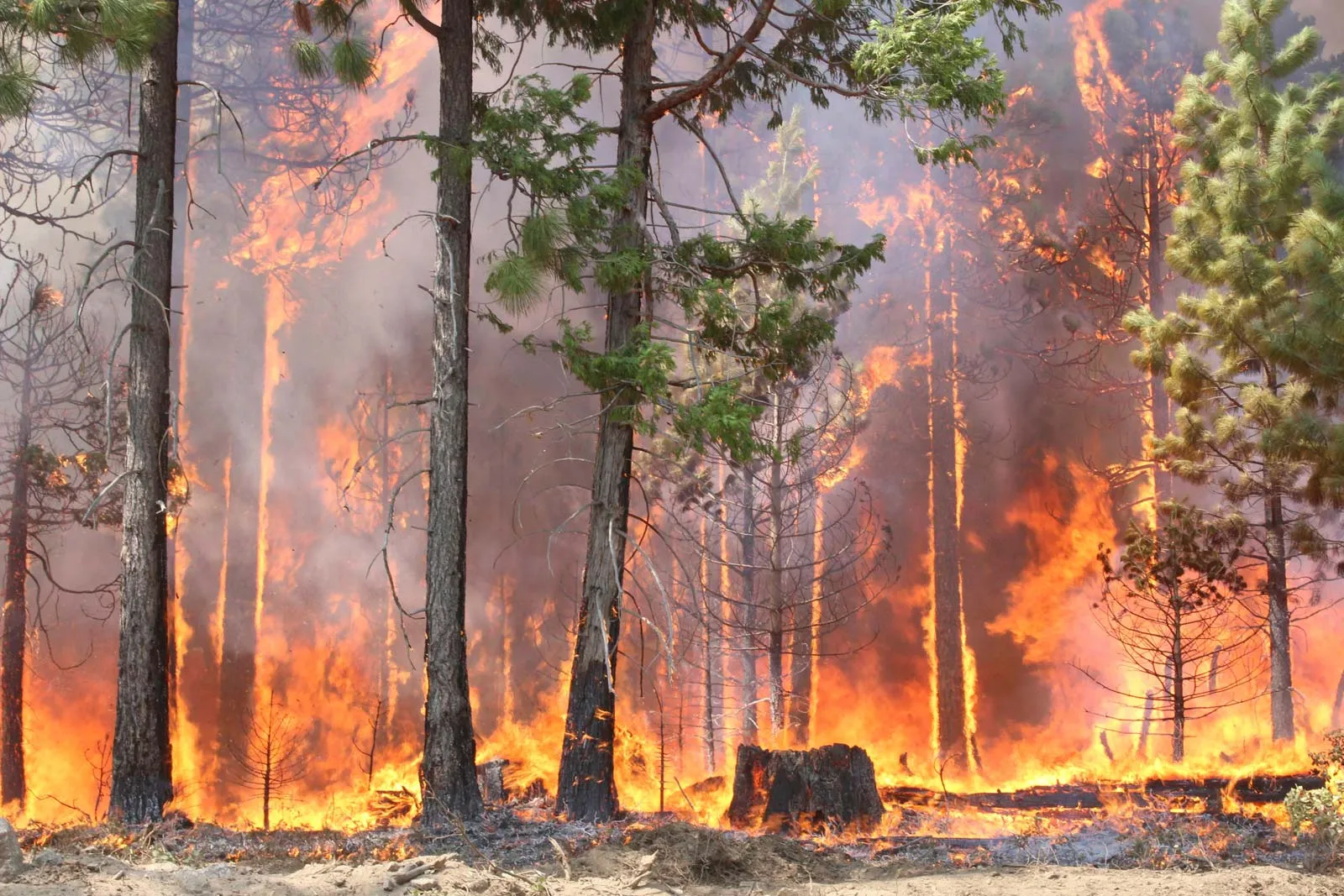
In recent years, central Europe has witnessed a worrying rise in the size and frequency of forest fires. That is
Read More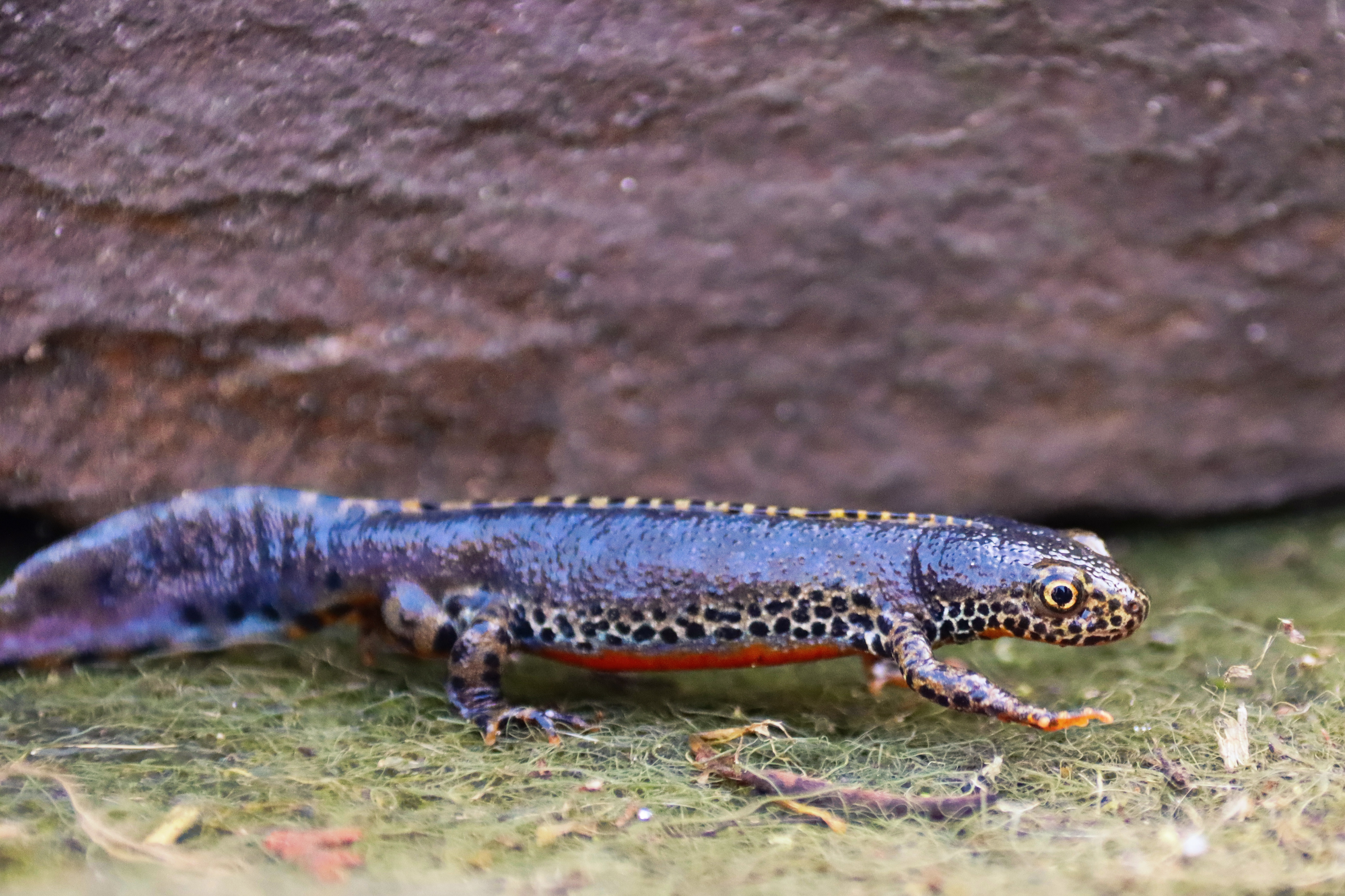
Amphibians—including toads, frogs, salamanders, and caecilians—are among the most threatened class of animals globally. Their unique life cycle, which involves
Read More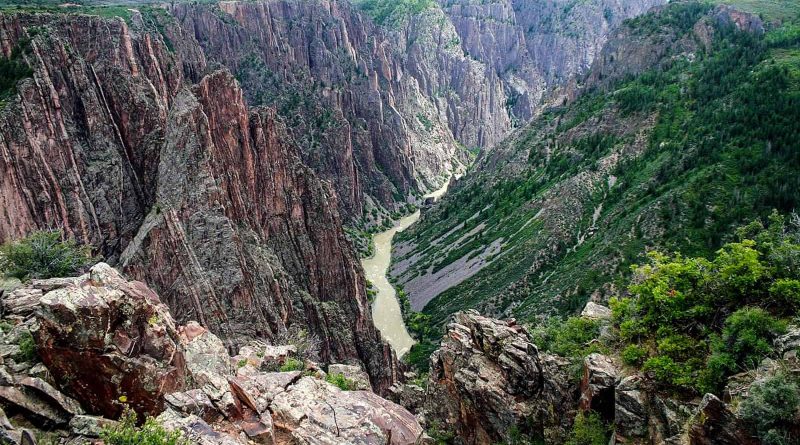
The Wilderness Act 1964, a landmark U.S. environmental law, was authored by Howard Zahniser, a passionate advocate for wilderness preservation.
Read More
The concept of “wilderness” often evokes images of untouched landscapes, far removed from human influence. However, the reality is more
Read More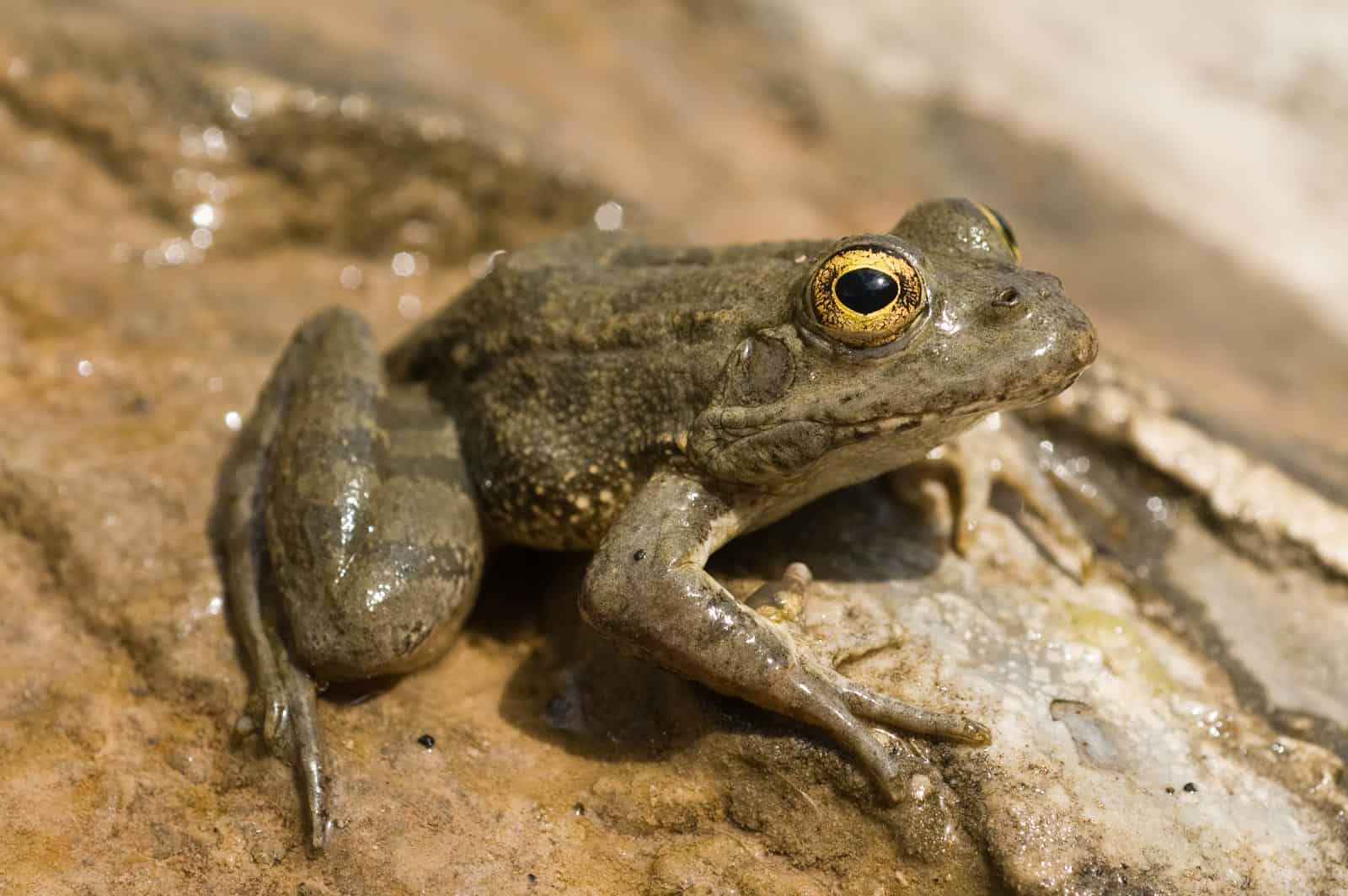
Amphibians frequently receive less attention than they deserve, though they are worthy of our admiration. Although frogs and toads may
Read More
European Wilderness Society is running European Wilderness Network. And since one of our operating countries is Italy, we are investigating
Read More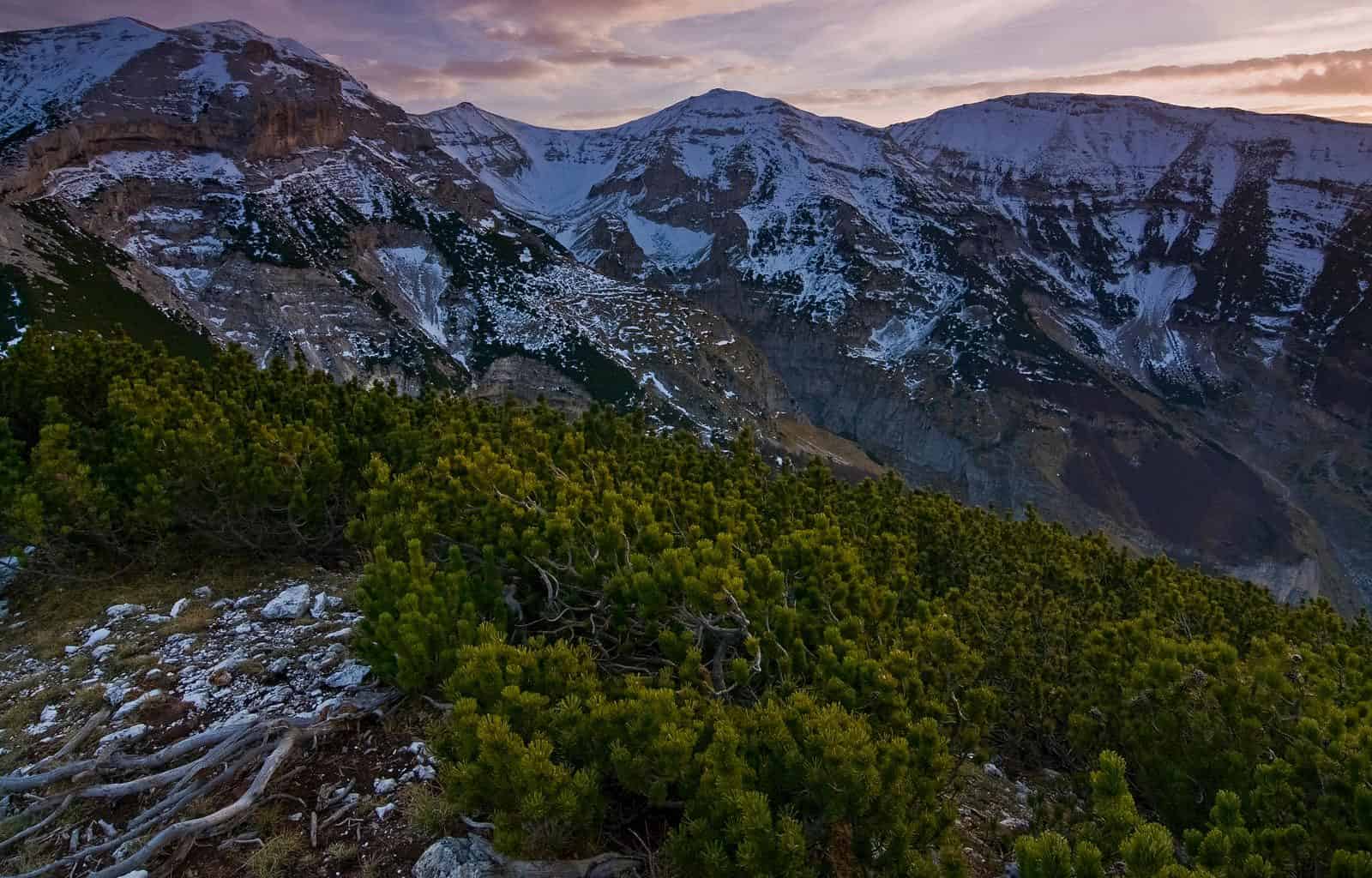
The Dwarf Pine (Pinus Mugo) thrives in the rugged landscapes of Majella, Italy, a region celebrated for its diverse flora
Read More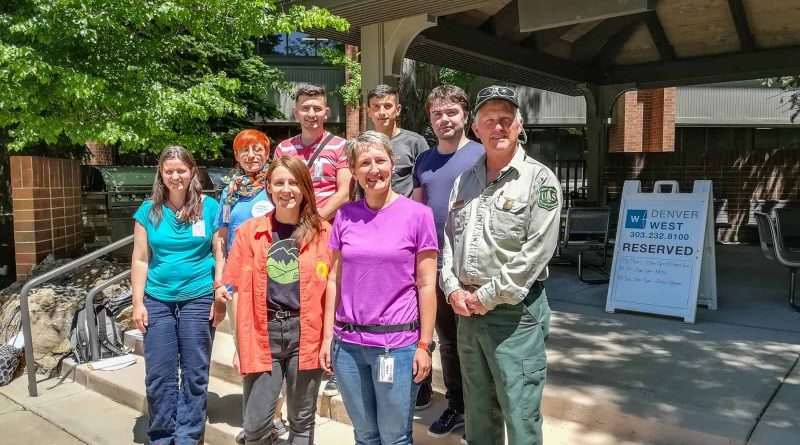
World Ranger Day is celebrated annually on July 31st to honour and appreciate the dedication of rangers worldwide. World Ranger
Read More
Peatlands, among the most efficient carbon sinks on Earth, play a critical role in regulating the global climate. However, these
Read More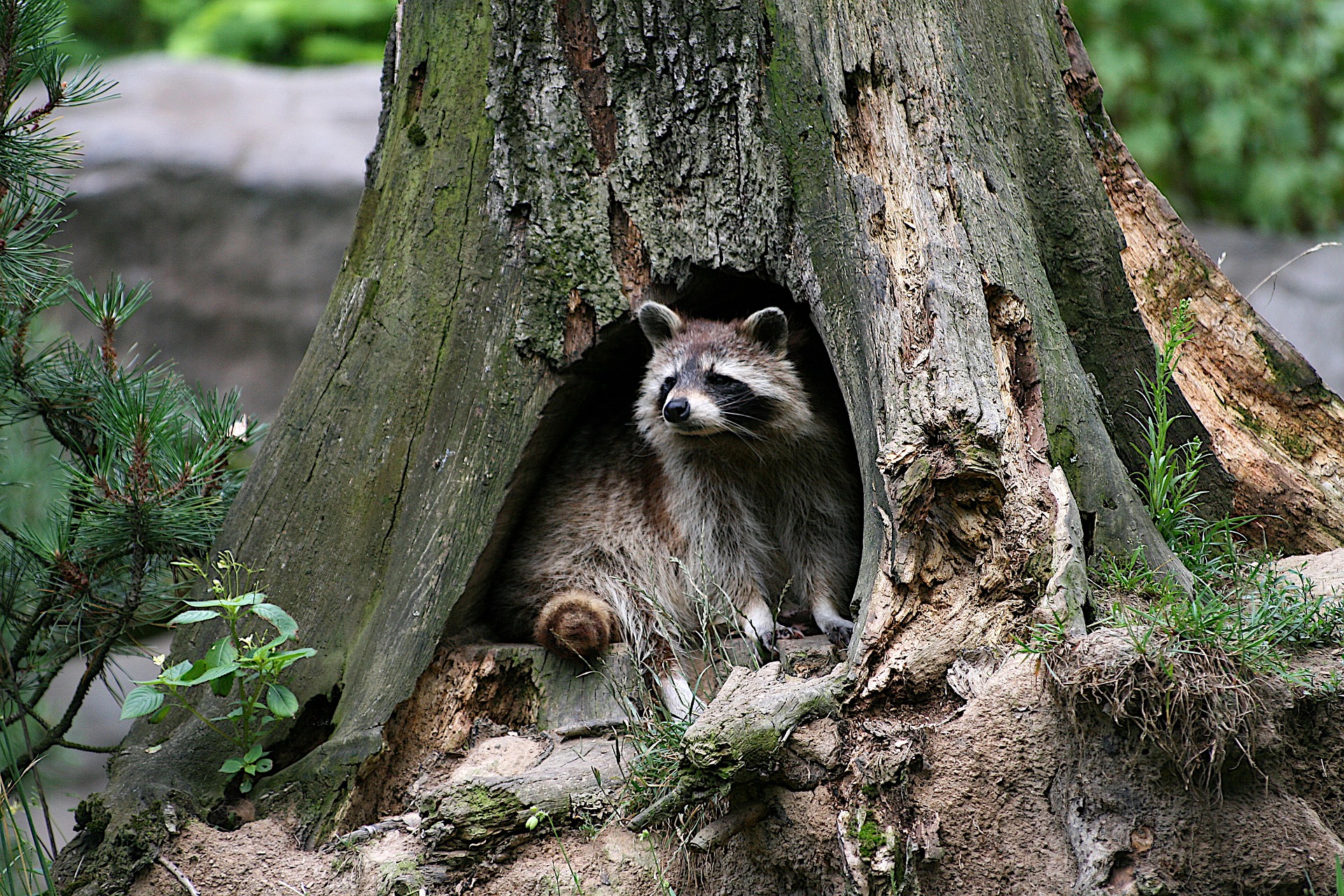
Raccoons pose a significant threat to native fauna in Germany, particularly amphibians and reptiles. Their adaptability and lack of natural
Read More
Primeval wilderness has always been shaped by Earth’s dynamic. Particularly Earth’s climate has always experienced rapid fluctuations. Alternation of rapidly
Read More
Some people find the wilderness beautiful and inspiring, others don’t. The perception of the beauty of the wilderness varies between
Read More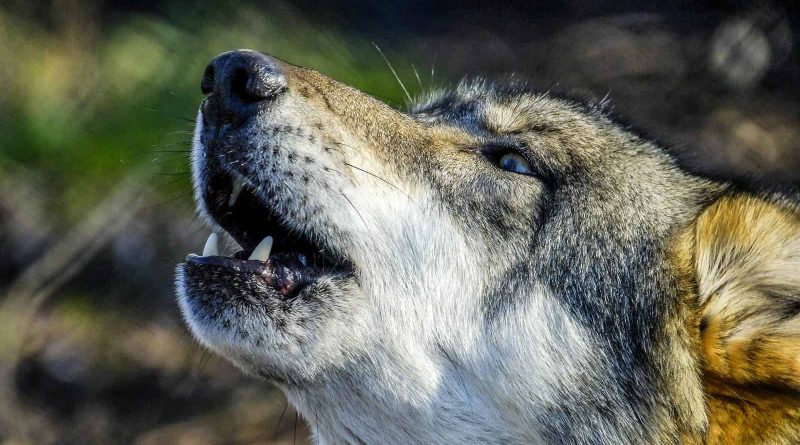
The return of the wolf in France marks a significant ecological event, as wolves gradually reappear after being eradicated by
Read More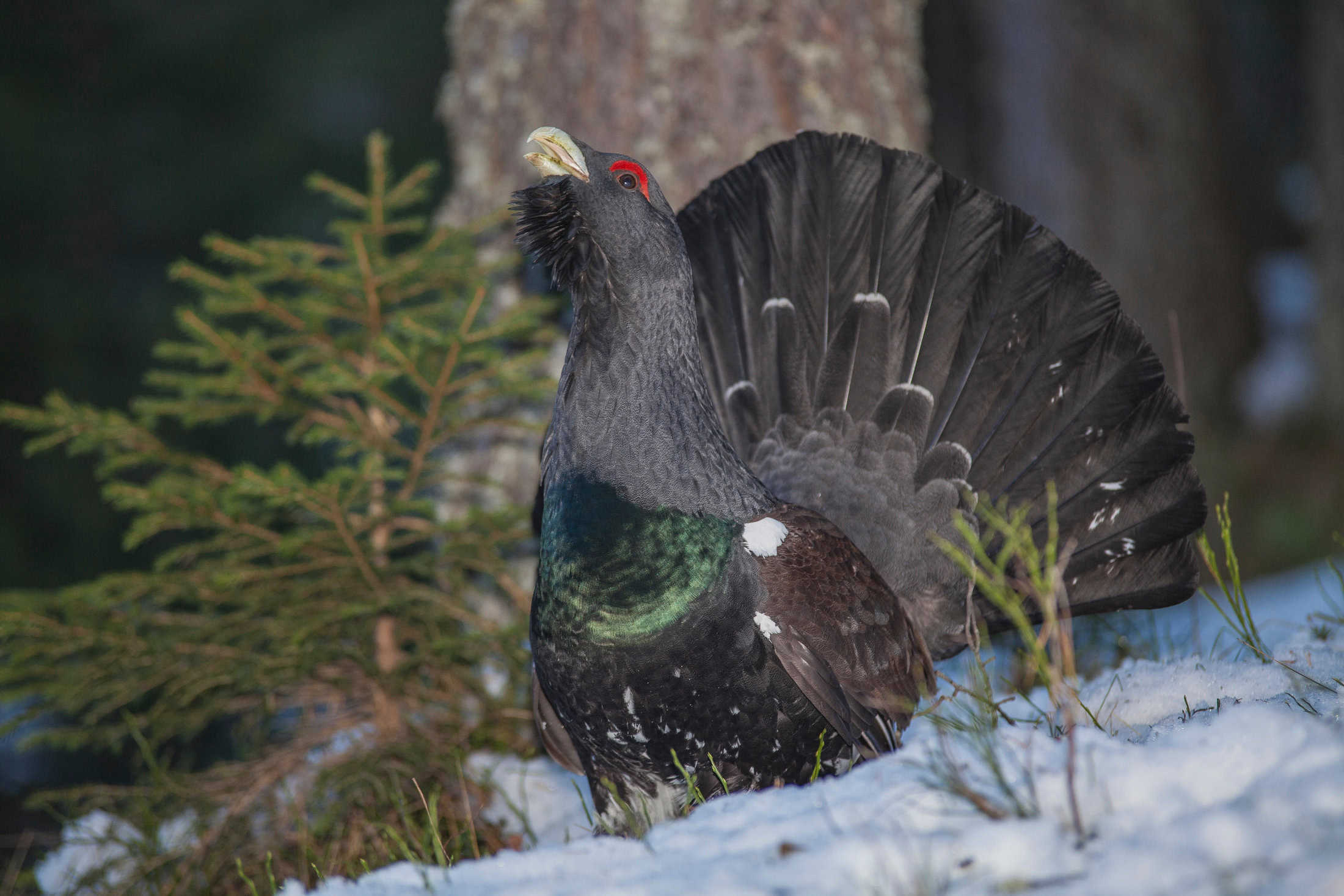
The Capercaillie needs natural disturbances. Processes such as wildfires, storms, and insect outbreaks are vital components of forest ecosystem dynamics,
Read More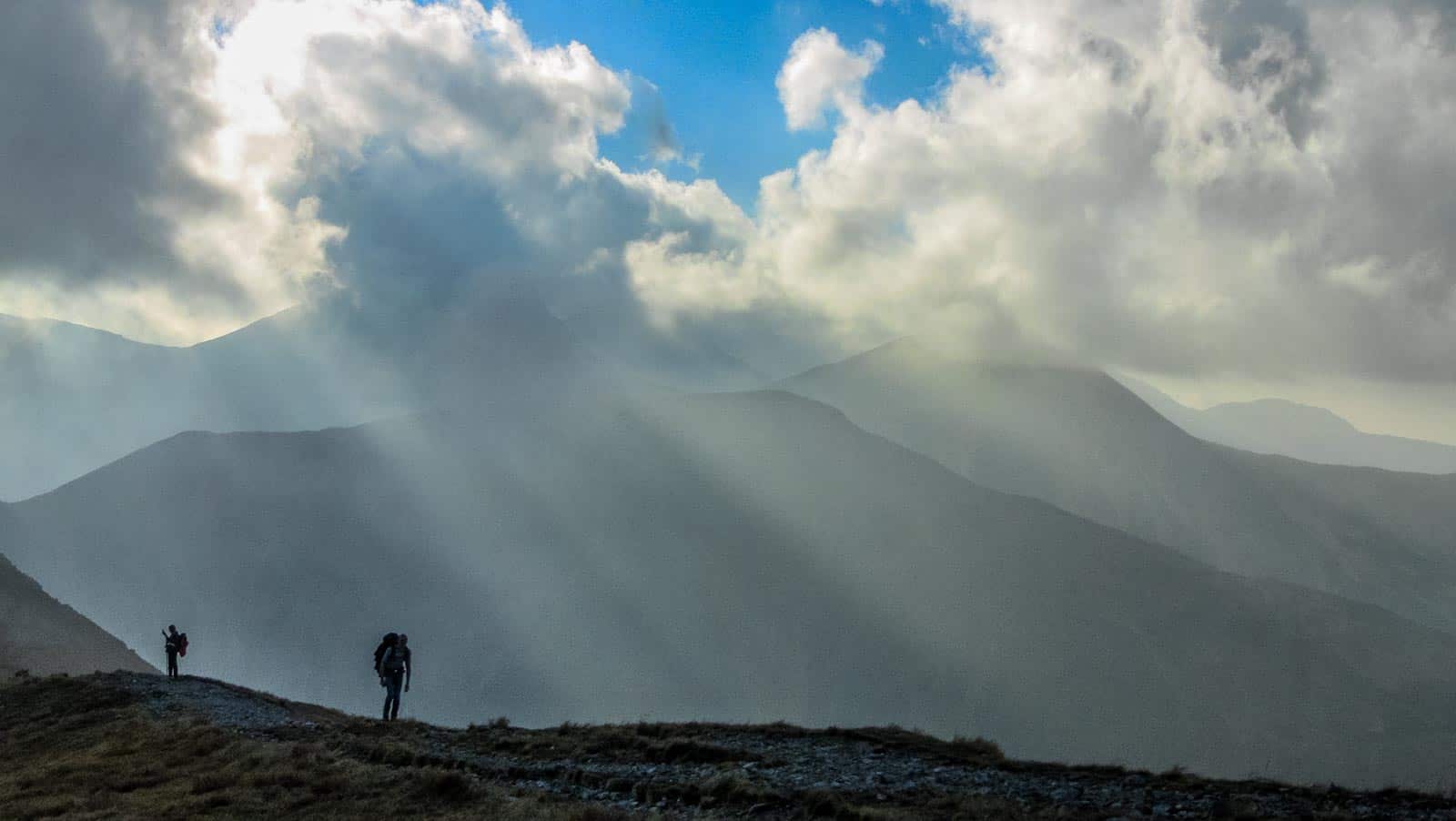
At recent meeting at the foothills of the Tatra Mountains the wildE project managers and relevant stakeholders spent several days and discussed
Read More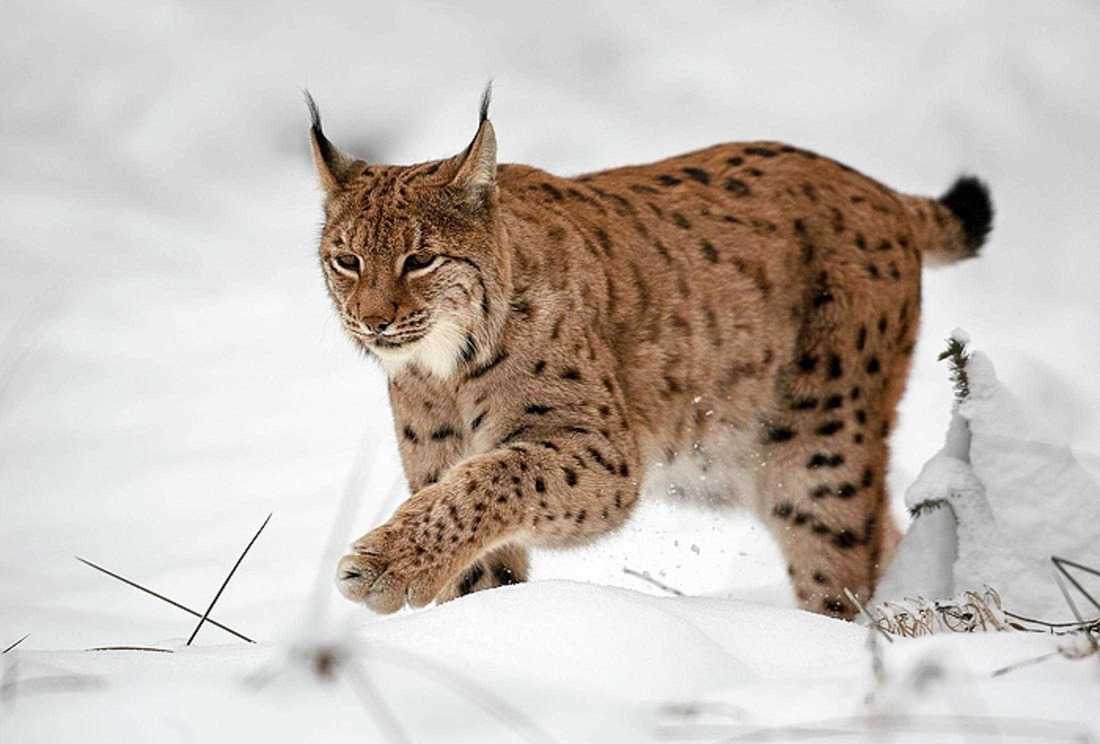
International Lynx Day, observed on June 11th, celebrates and raises awareness about the conservation of lynxes worldwide. These elusive wild
Read More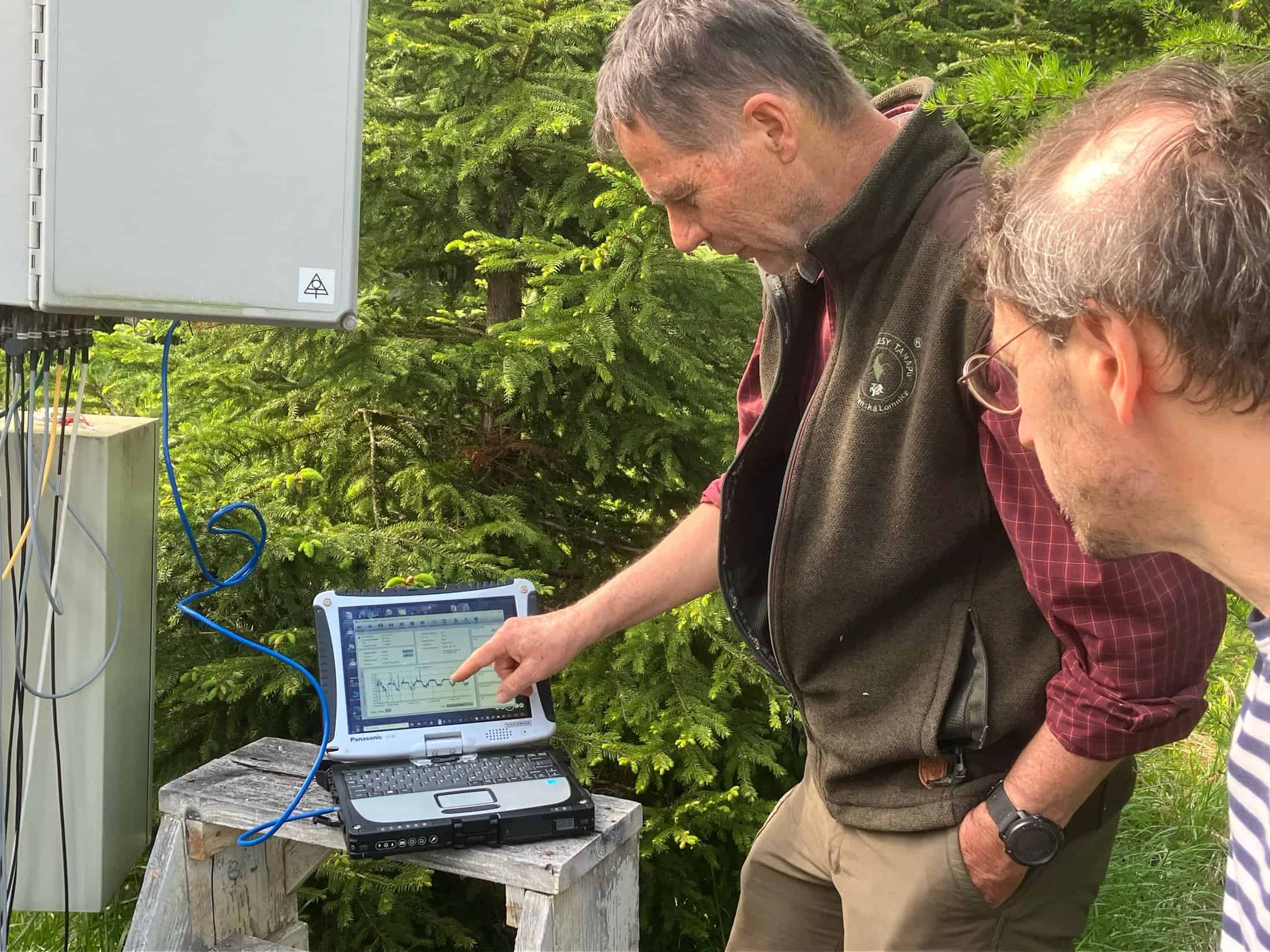
The wildE is EU Horizon Europe-funded project dedicated to exploring climate-smart rewilding to address the intertwined issues of climate change
Read More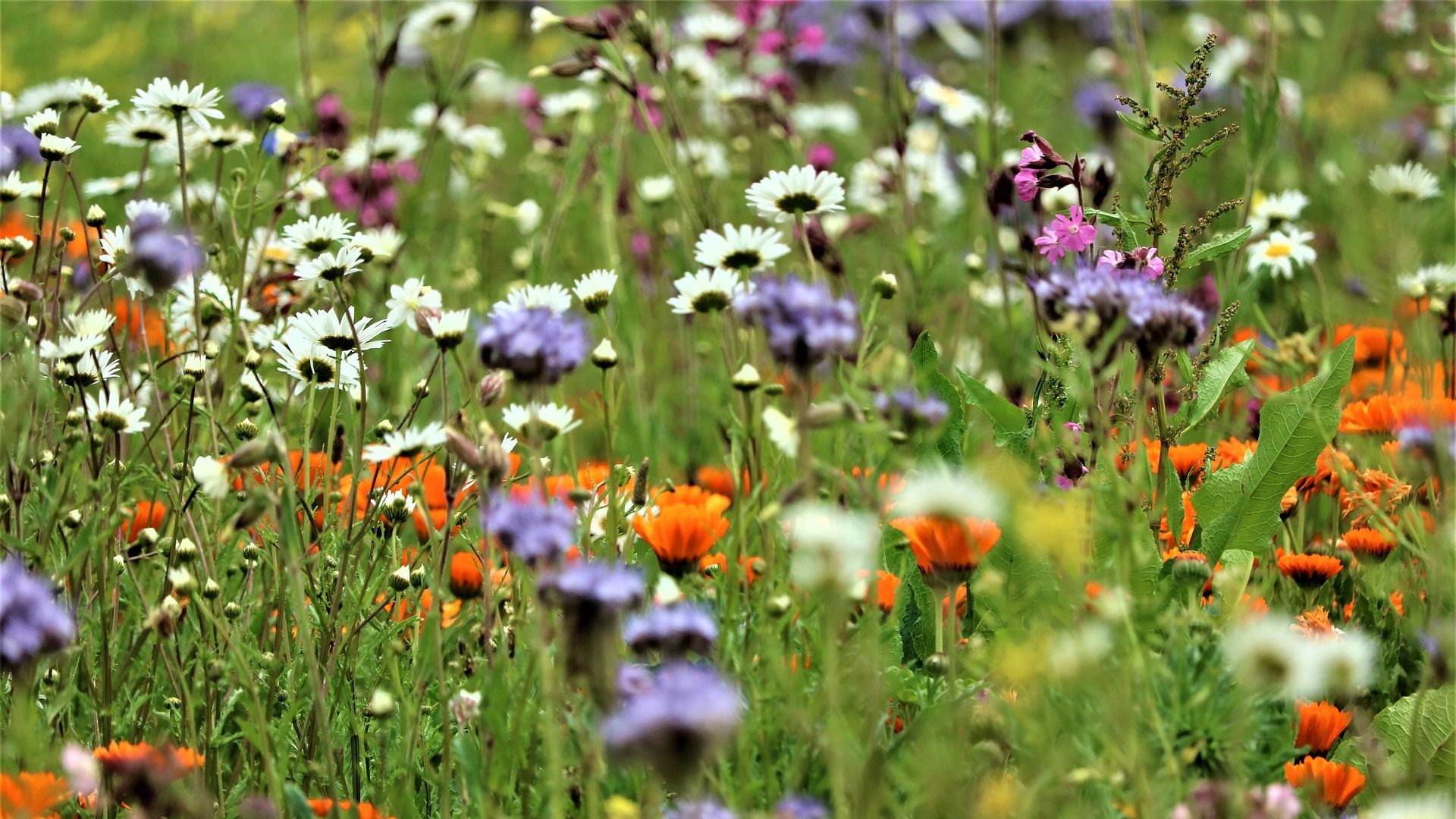
International Day for Biological Diversity is celebrated annually on May 22nd to raise awareness about the importance of biodiversity for
Read More