ALFAwetlands in Action — New Trainings, Webinars, and Final Conference
As a proud communication and Austrian partner of the ALFAwetlands Horizon research project, European Wilderness Society, provides update on recent
Read More

As a proud communication and Austrian partner of the ALFAwetlands Horizon research project, European Wilderness Society, provides update on recent
Read More
As the last Ice Age ended around 13,000 years ago, Central Europe’s landscape included extensive wetlands—floodplains, marshes, peat bogs, and
Read More
Amphibians have relatively simple but highly functional brains adapted to their semi-aquatic lifestyles. Their brains are dominated by sensory and
Read More
Amphibians, deeply connected to water, are increasingly at risk due to worsening droughts. Their reliance on moist habitats for survival
Read MoreBeavers, known for their remarkable ability to transform landscapes through dam-building and waterway management, once thrived across the British Isles.
Read More
Peatlands, among the most efficient carbon sinks on Earth, play a critical role in regulating the global climate. However, these
Read More Recently the World Migratory Bird Day took place. This day helps to raise global awareness of the threats faced by
Read More
“AMooRe” is newly started LIFE project to implement the Austrian peatland and mires Strategy 2030+. Peatlands and mires are both types of
Read More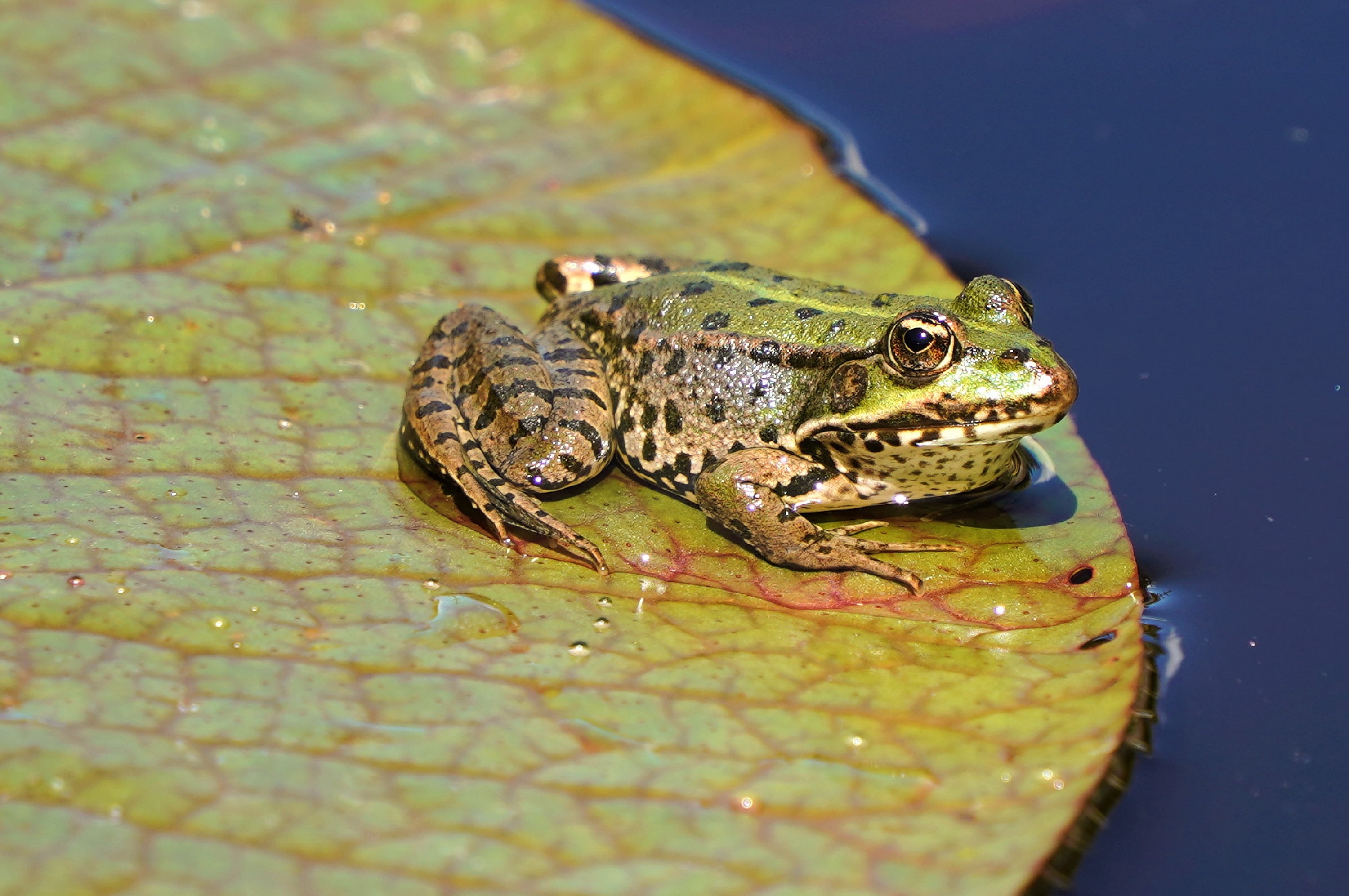
The relationship between amphibians and pesticides in Europe is a pressing environmental concern that warrants attention. Amphibians, including frogs, toads,
Read More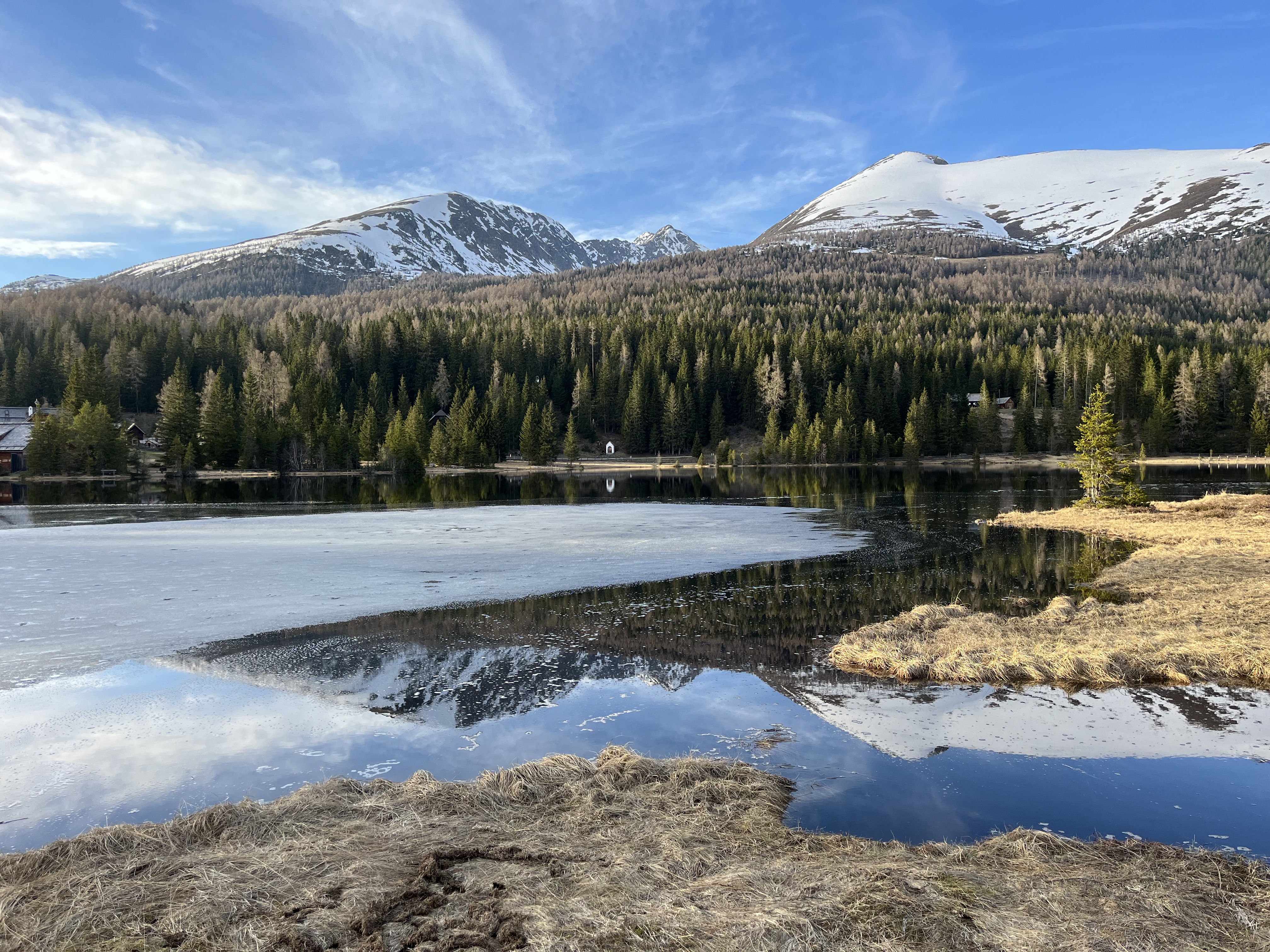
One of the projects where the European Wilderness Society is involved is the ALFAwetlands transnational Horizon project. The project is
Read More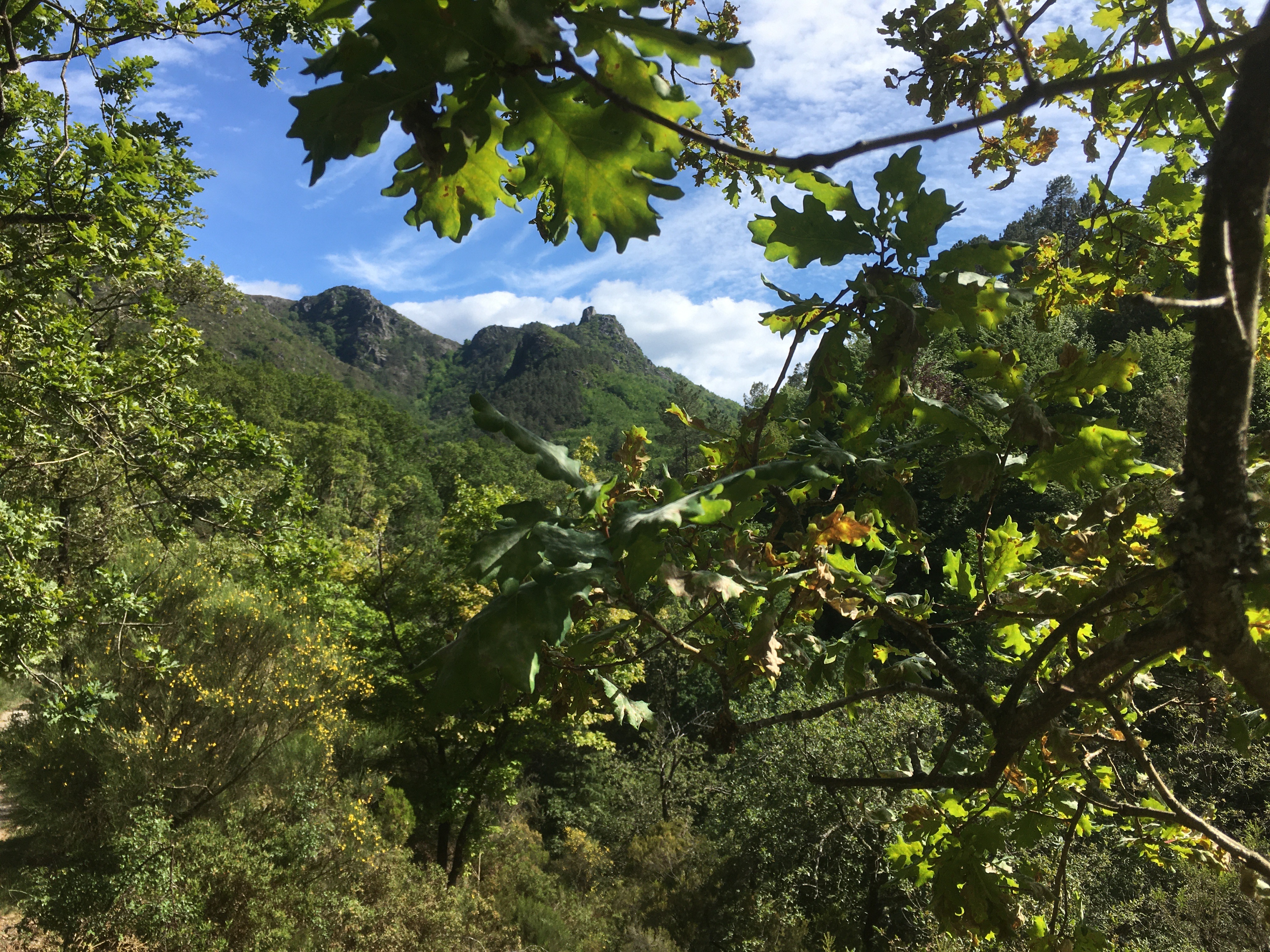
Wetlands are rare ecosystems in Portugal. They offer a rich and diverse ecosystem that plays a crucial role in maintaining
Read More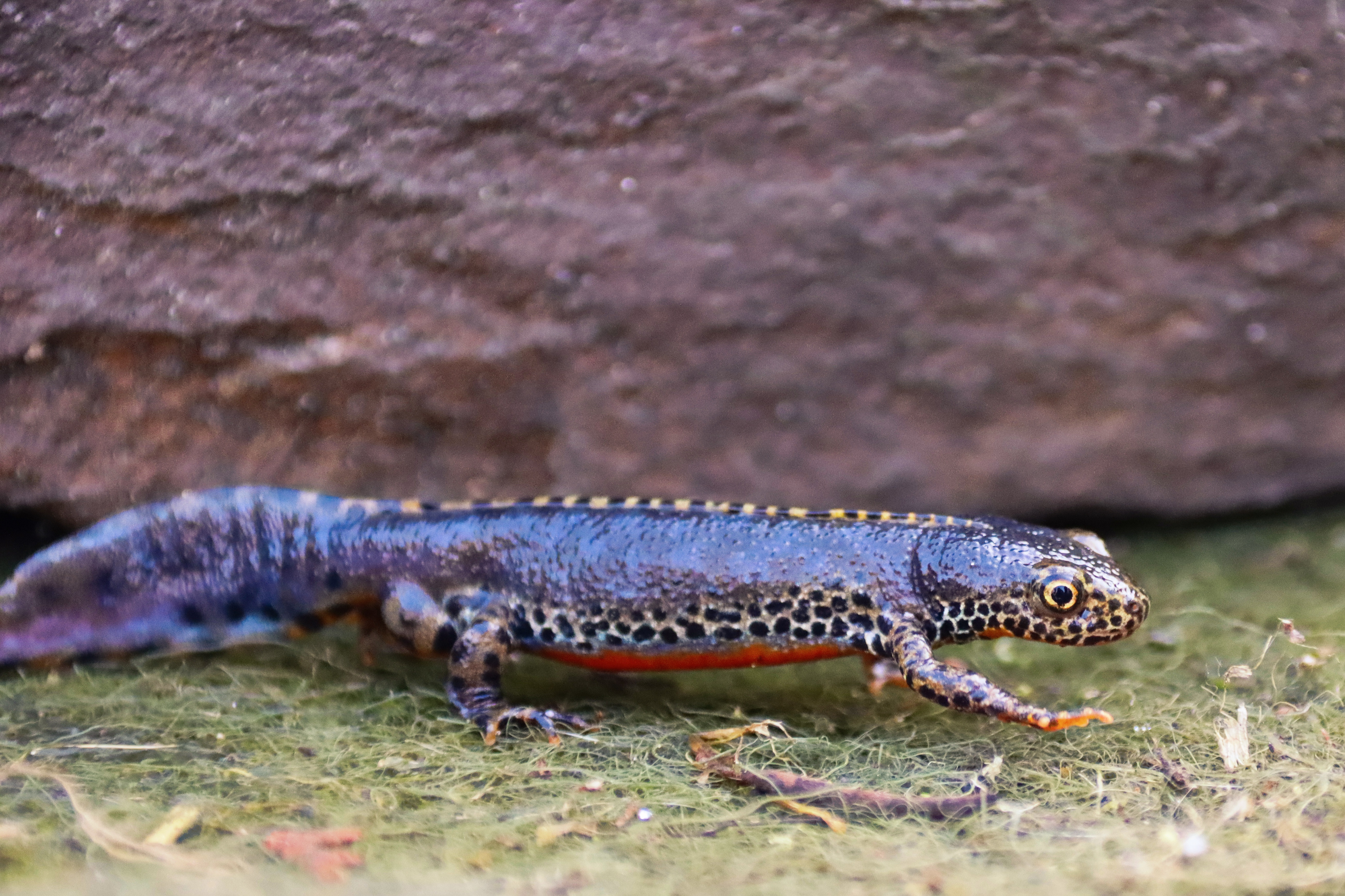
Native amphibian species in Austria, boast a rich diversity shaped by varied habitats. Austria’s geographic location, encompassing Alpine regions and
Read More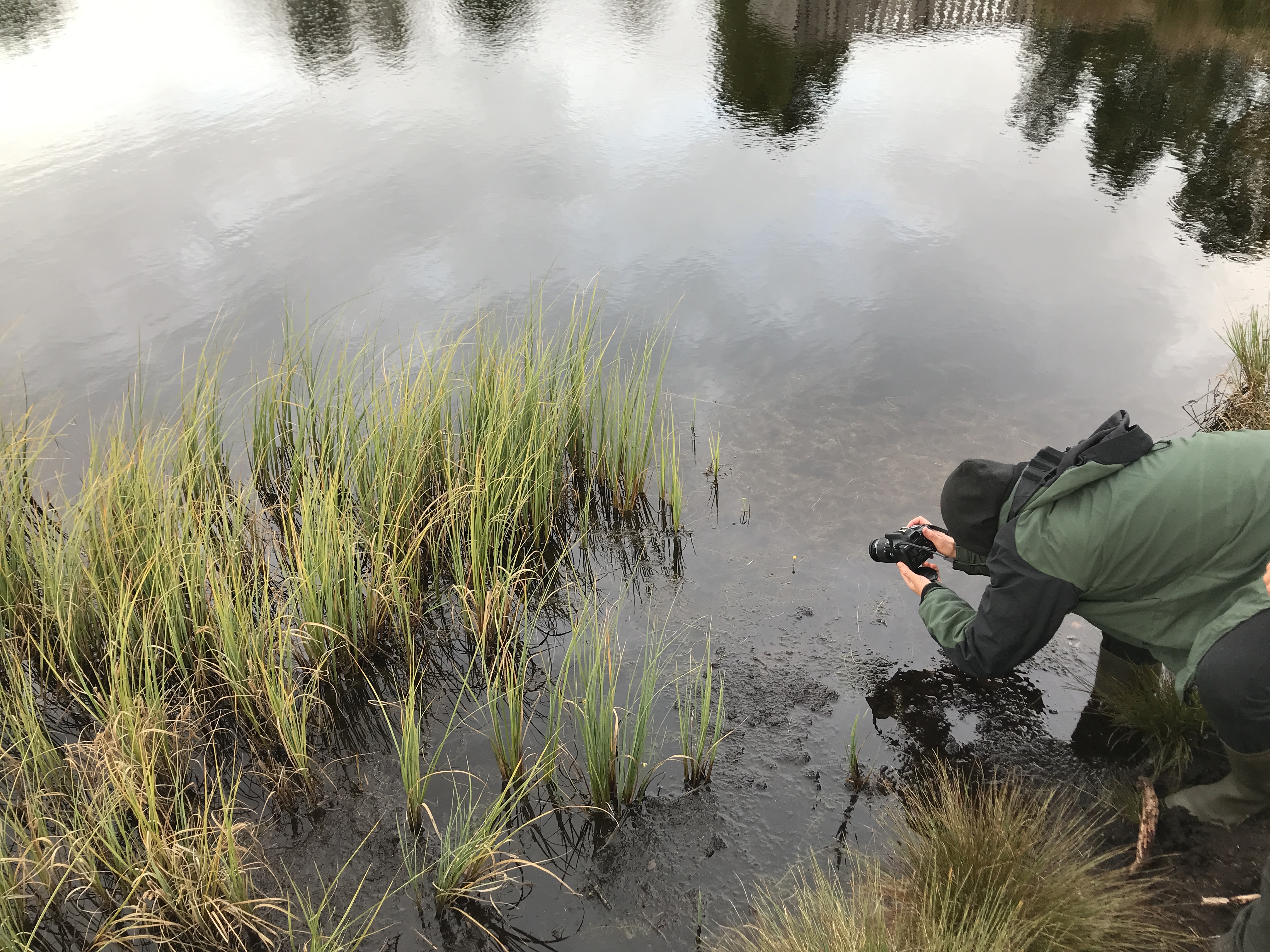
Wetlands, often overlooked, hold immense value for ecosystems and societies. They provide wide spectrum of benefits. Beside they are home to
Read More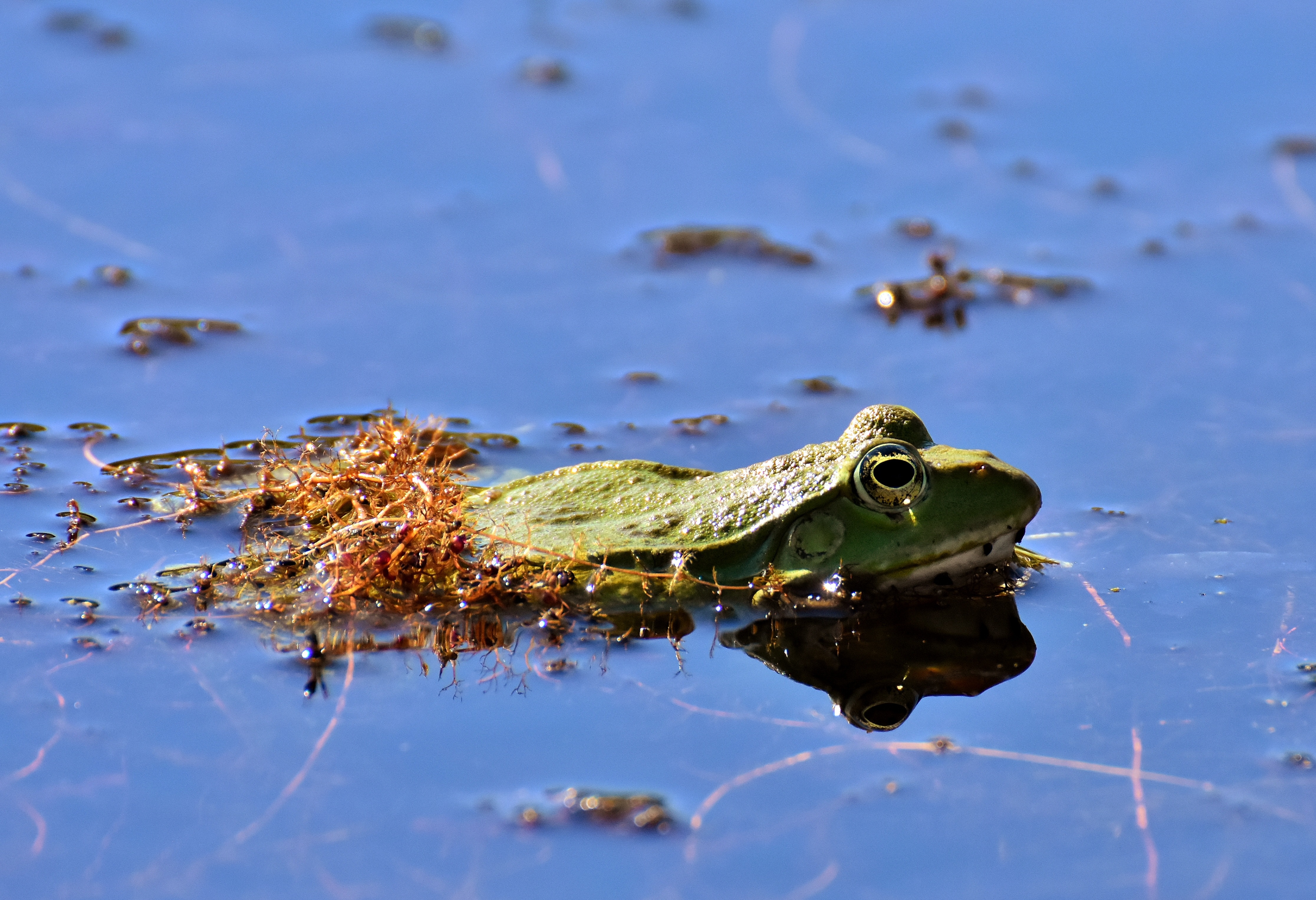
Key characteristic of amphibians are various features that distinguish them from other groups of animals. European countries in central Europe
Read More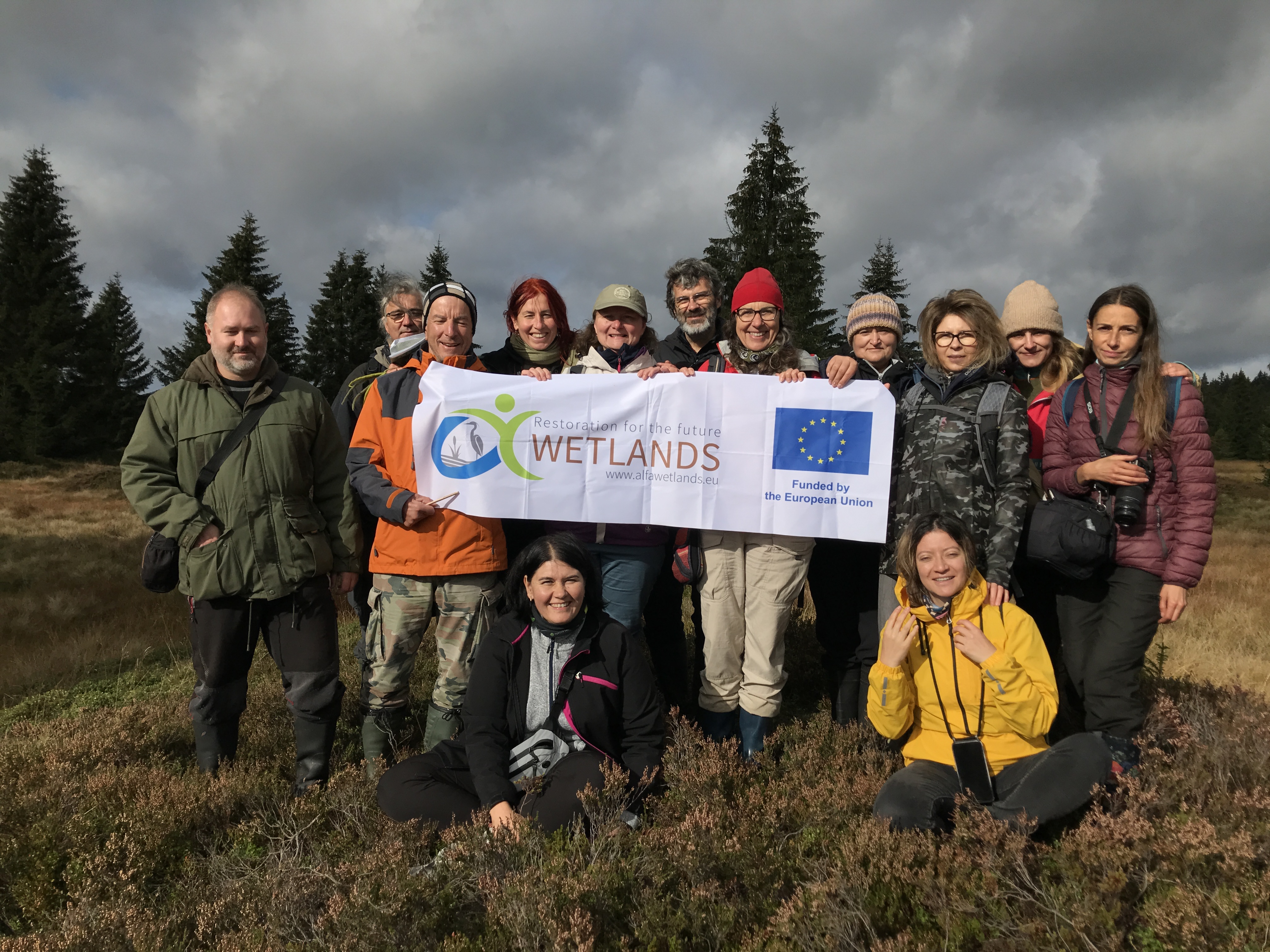
On the beginning of October European Wilderness Society travelled to Czech Republic to: It was very beneficial to interact with
Read More
Bernadouze Peatland is captivating locality of southwestern France, within the Pyrenees Mountains. This scenic region is well known by its
Read More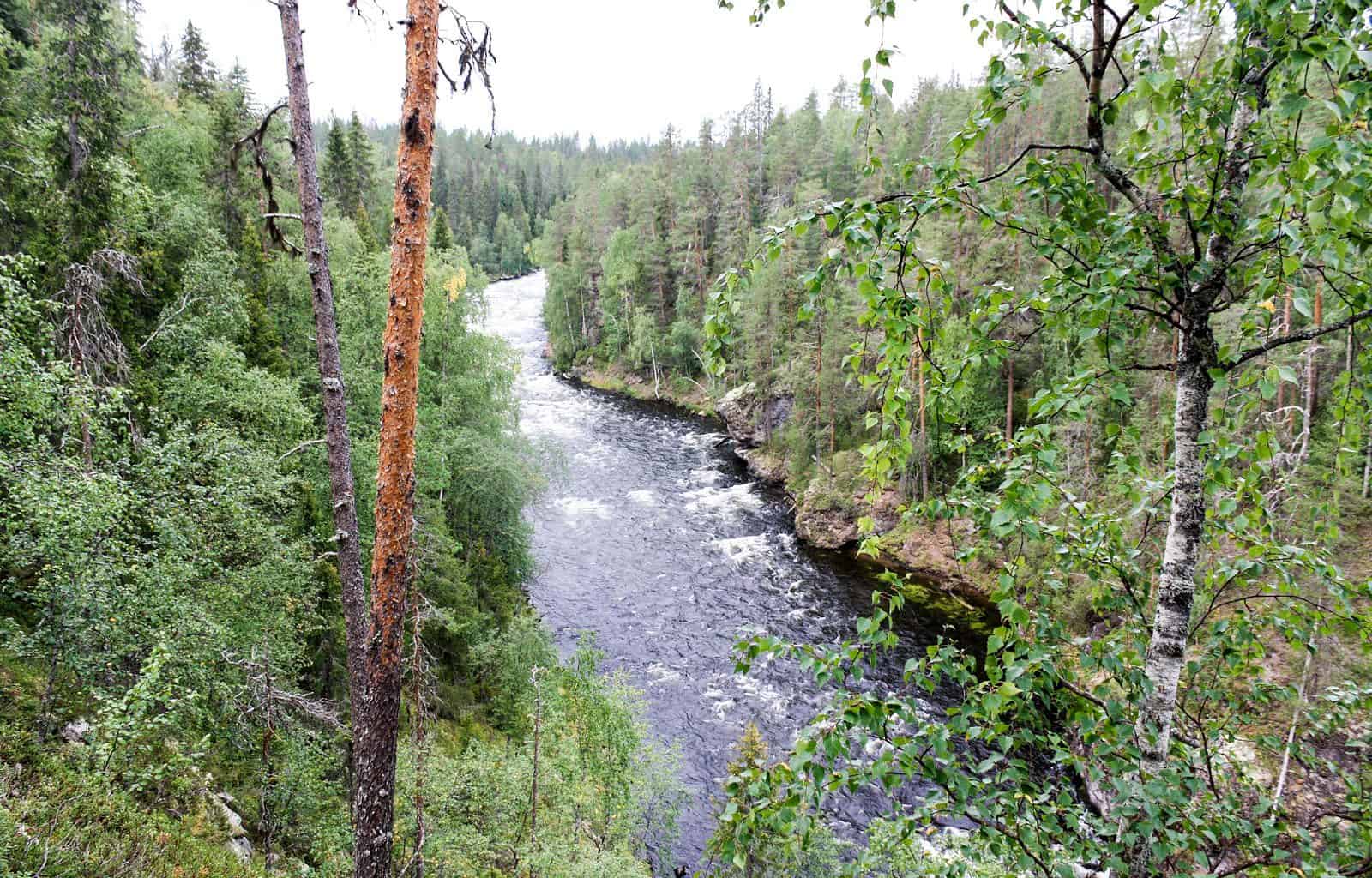
Approximately 75 % of the world’s accessible freshwater comes from forests. That water is produces for agricultural, domestic, industrial and
Read More
The Living Lab site Confluent is Regional Natural Reserve located south of city Toulouse, France. The reserve was created in
Read More
Rampillon is an artificially made wetland, located nearby Paris. This wetland was created to address the environmental challenges caused by
Read More