The Beaver: A Master of Wetland Restoration Worth Protecting
In Baden-Württemberg, Germany, one of nature’s most remarkable ecosystem engineers is increasingly being treated as a problem to be removed. Yet beavers do far more than build dams. They restore wetlands, retain water in the landscape, increase biodiversity, and create the kind of natural resilience that many costly human restoration projects aim to achieve. Once again, the Eurasian beaver has become the focus of growing political conflict.
Like wolves, lynx, bears, cormorants, and wild boar, beavers are among the wildlife species that often become flashpoints where human land use and natural processes collide. In the beaver’s case, conflict usually arises where its exceptional ability to shape water systems is seen as inconvenient — for example near farmland, roads, drainage systems, or other human infrastructure. Yet what may appear troublesome from a narrow human perspective is often an extraordinary ecological achievement.
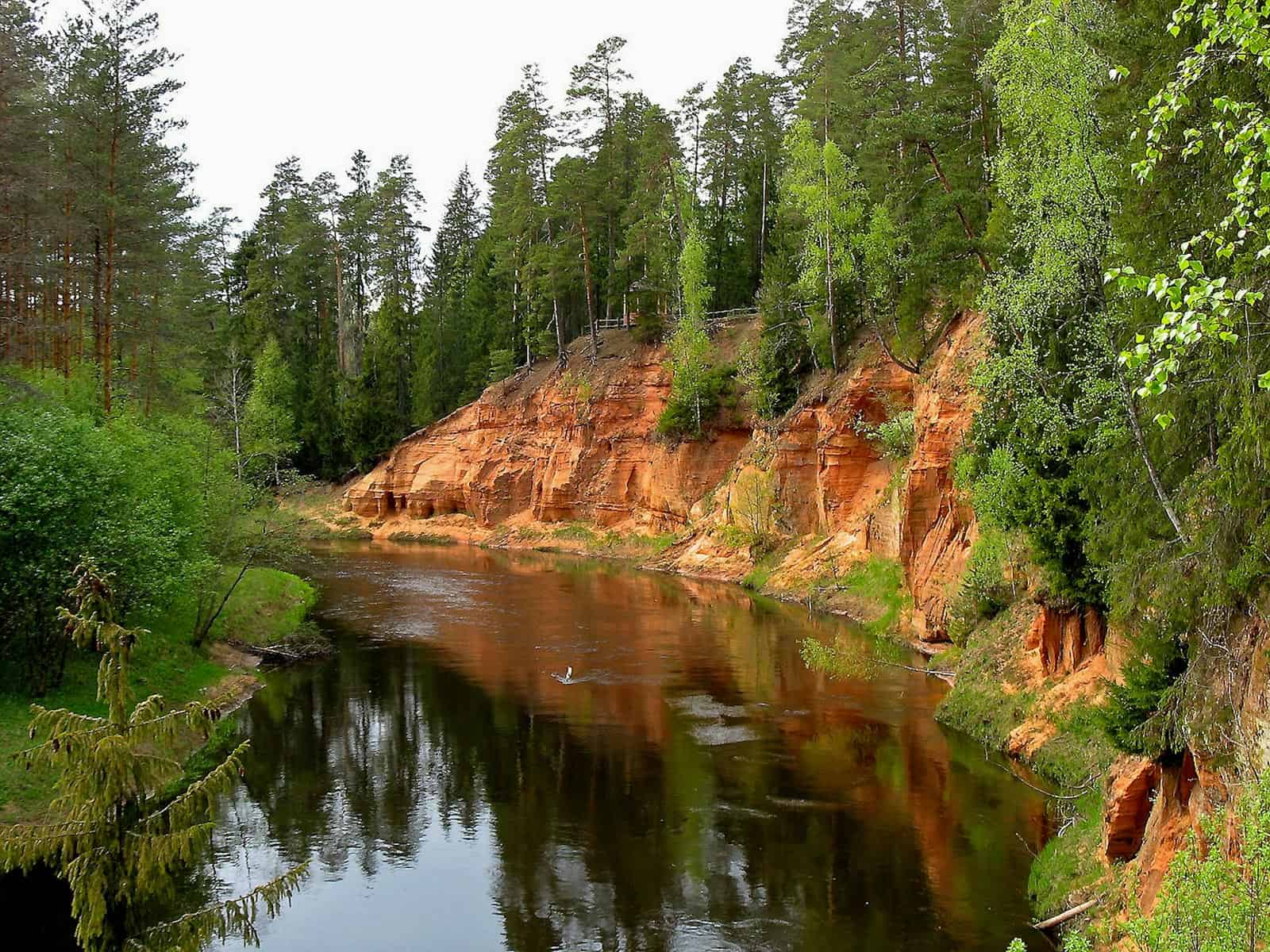
Beavers are widely recognised as natural ecosystem engineers. By building dams, digging channels, and reshaping riverbanks, they create wetlands, slow water flow, reduce erosion, improve groundwater recharge, and help landscapes become more resilient to both drought and flooding. Their work creates a rich mosaic of ponds, wet meadows, and alluvial habitats that benefit amphibians, insects, birds, fish, and countless other species. In many places, beavers provide restoration services free of charge that would otherwise require expensive technical intervention. The European Commission’s guidance on strict species protection also recognises that Annex IV species are subject to a particularly high level of protection under the Habitats Directive.
Science has long described the beaver as an ecological engineer that increases habitat heterogeneity and thereby promotes biodiversity. This makes the species not only fascinating, but essential for healthy and resilient landscapes.
The beaver is also strictly protected by law. In the EU, the Eurasian beaver is included in Annex IV of the Habitats Directive in many Member States and therefore falls under the Directive’s strict protection regime, which prohibits deliberate killing, capture, disturbance, and the destruction of breeding or resting sites unless a lawful derogation is granted. Under German law, this strict protection is also reflected in the Federal Nature Conservation Act.
This legal point matters because the removal of strictly protected animals cannot simply be normalised through broad political convenience. Under Article 16 of the Habitats Directive, any derogation from strict protection must be interpreted narrowly, and all three cumulative legal conditions must be fulfilled. First, there must be no other satisfactory solution. Second, the measure must pursue one of the exhaustively listed legitimate aims in Article 16, such as preventing serious damage, protecting public safety, or safeguarding wild fauna and flora. Third, the derogation must be not detrimental to the maintenance of the population of the species concerned at a favourable conservation status in its natural range. If even one of these conditions is not met, the derogation is unlawful. In practice, that means each removal decision must be individually justified and assessed under Article 16 rather than treated as a routine management shortcut.
Until recently, the killing of beavers in Baden-Württemberg was only possible through individual exceptional permits. This reflected the species’ high conservation status and ecological importance as a keystone species. With smart and forward-looking beaver management, many conflicts could be avoided from the outset or resolved in specific cases without resorting to lethal measures.
However, since the publication of a new Beaver Ordinance in January 2026, the targeted killing of beavers in Baden-Württemberg has reportedly been made easier through a so-called general decree (Allgemeinverfügung). In practical terms, this means that conditions can now be defined under which beavers may be killed across wider stretches of waterways, roads, and other areas, instead of relying only on narrowly tailored case-by-case decisions.
A first decree of this kind has already reportedly been issued for the Neckar-Odenwald district. Critics warn that this could effectively turn the district into a quasi beaver-free zone, with only nature reserves as well as FFH and bird protection areas remaining as meaningful refuges.
This represents another serious attack on native wildlife in Baden-Württemberg. Instead of strengthening coexistence, prevention, and better planning, the threshold for killing a strictly protected and ecologically valuable species is being lowered. At a time when Europe urgently needs healthier rivers, functioning wetlands, and more climate-resilient landscapes, undermining one of nature’s most effective restoration specialists is the wrong direction.
Supporting the petition to the Baden-Württemberg state parliament against the targeted killing of beavers sends an important signal for the protection of this species. Protecting beavers also means protecting biodiversity, natural processes, and the future of healthier river landscapes in Europe.
Source and petition: Wildtierschutz Deutschland.
Share this:

Discover more from European Wilderness Society
Subscribe to get the latest posts sent to your email.