Understanding Rivers – Youngsters Learn Water Engineering on the Mur at St. Andrä
Young future engineers built dams, fought off rising waters and discovered that a river is more than just water, it’s a force that shapes, protects, and demands respect. What can we learn from floods on the Mur? Read the full story here:
Many adults still remember their own childhood with spending hours by the creek, building little dams out of stones, digging channels, and in the process learning, almost unconsciously, how water flows, pools, or finds new paths. Such experiences are increasingly rare today. Many children grow up with smartphones, tablets, and YouTube explanations, but a real river is different: it roars, it changes, it sweeps things along.
This is exactly what the workshop brought back: hands in the water, earth under the fingernails, and the direct experience of what current and flow actually mean – something no screen can ever replace.
International Learning on the Mur
In the Lungau, right on the Mur near St. Andrä, children from Austria, Spain, Slovenia and Ukraine took part in this special workshop. Guided by a geotechnical engineer and workshop leader, they explored the basics of water engineering in a playful way. The workshop was conducted in English, enabling the group to learn and communicate together.
The engineer had prepared a scenario: small “houses” were placed along the riverbank – and the children’s task was to protect this settlement during a simulated flood.
River Planning and Flood Protection
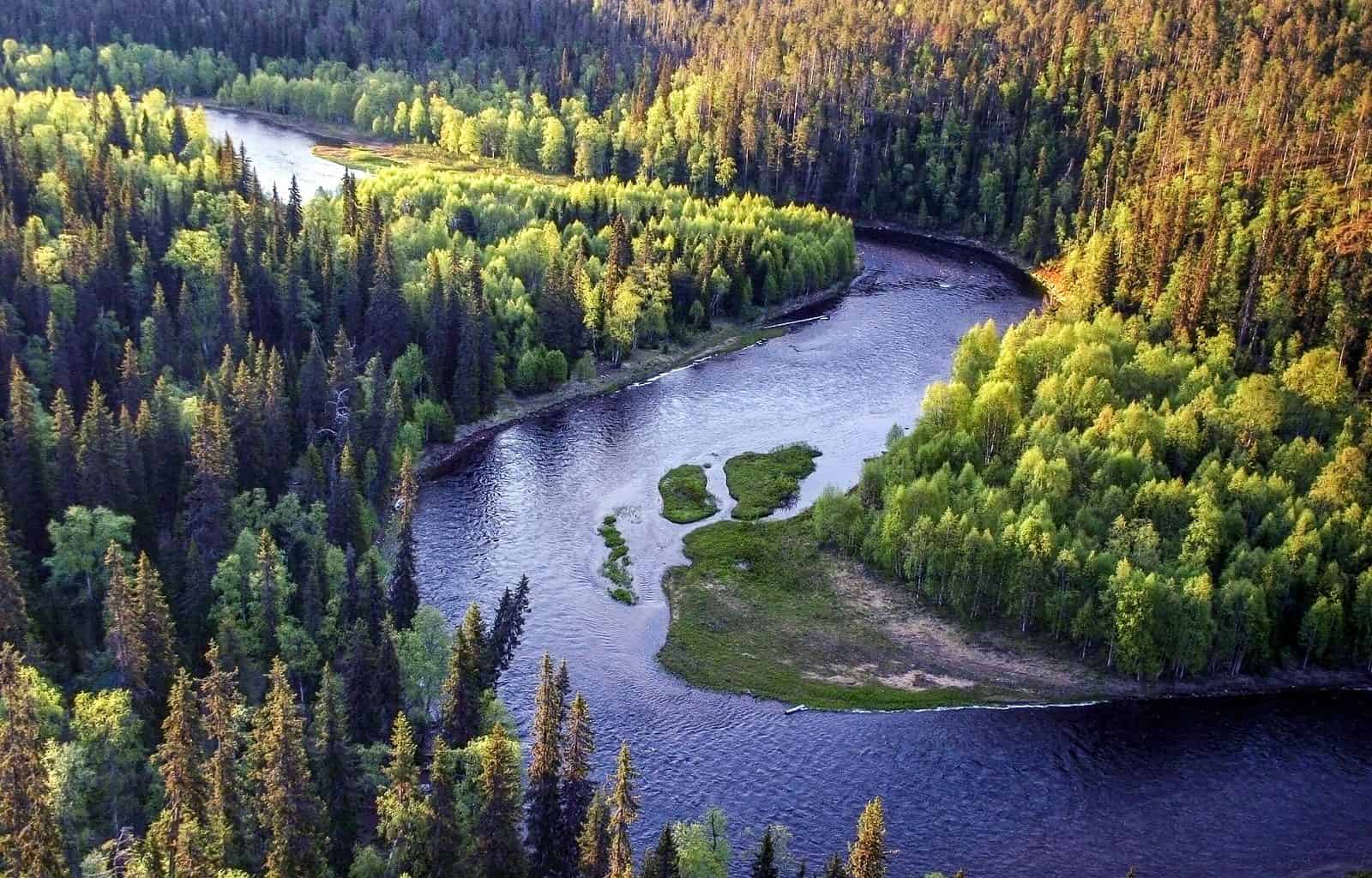
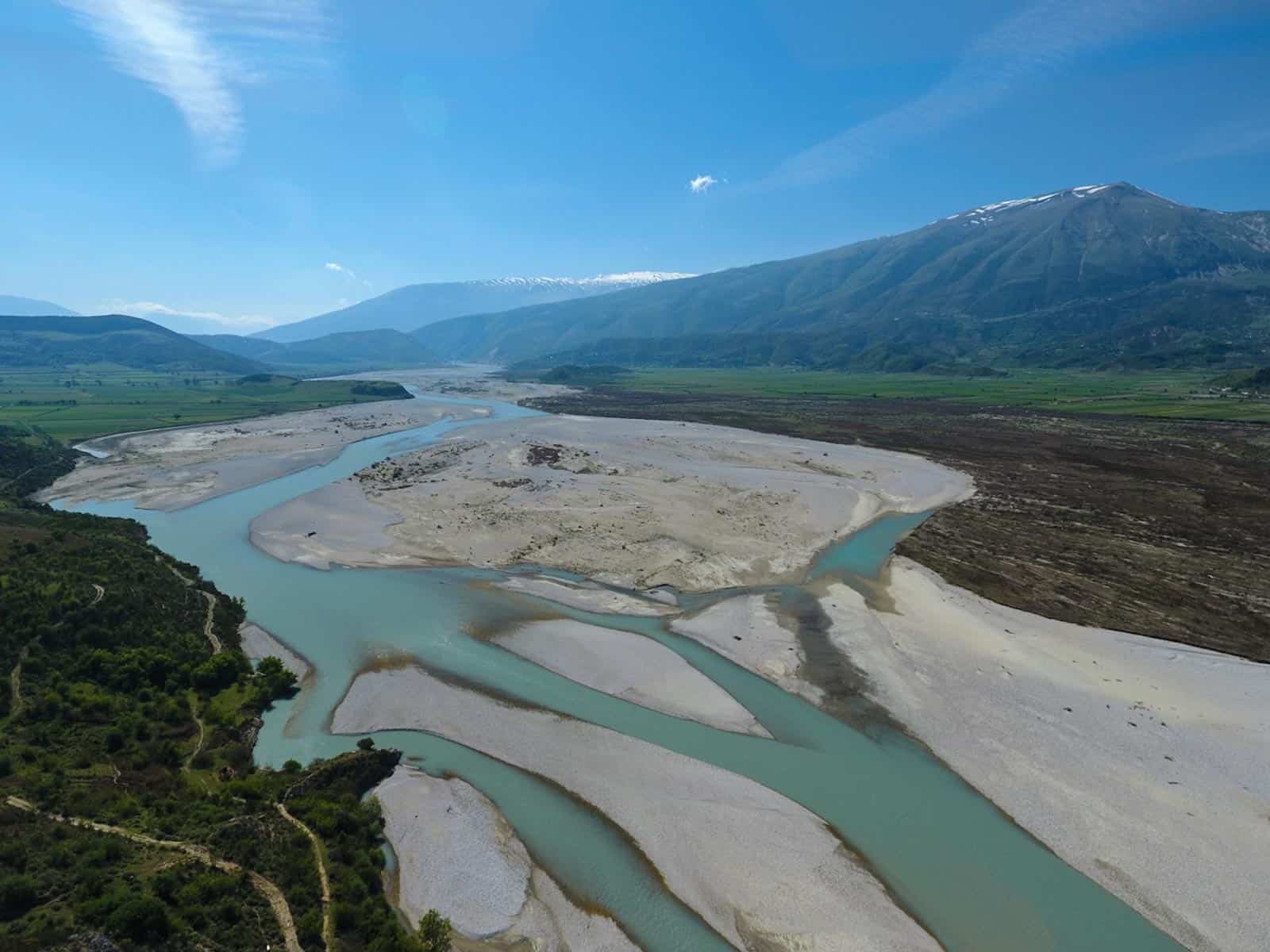
Rivers are dynamic systems. They constantly reshape their beds, form meanders, or find new paths during floods. River planning therefore means more than just building dams or levees – it means giving rivers the space they need. Floodplains (retention areas) act as buffers, absorbing water and reducing the force of floods.
On the upper Mur near St. Andrä, the importance of these areas becomes very clear: in narrow valleys, water can quickly become dangerously concentrated if there is no room for it to spread.
From Walled Rivers to Renaturation
In the past, many rivers in the Alps were walled in and canalized. The goal was to make them predictable, gain land, or remove floodwaters quickly. Today, we know that this merely shifted the risk: downstream, the problems became much worse.
That is why numerous renaturation projects are underway, also in the Lungau. Riverbanks and channels are being widened again, side arms are created, and floodplains are reactivated. Yet this often still follows a “drawing-board principle” – carefully planned and engineered.
The Wilderness Continuum Approach
A different perspective is offered by the idea of the Wilderness Continuum: letting nature work as freely as possible. The longer a river or landscape can develop without human intervention, the wilder and more resilient it becomes.
This does not mean creating “Robinson Crusoe islands,” but rather self-sustaining, dynamically stable ecosystems. A river, too, is a living being, it needs the freedom to meander, to shape new banks, to flood its floodplains.
Banks, Landscapes, and Alpine Meadows
The children also learned that riverbank design and reinforcement are essential elements of flood protection:
Natural, vegetated banks stabilize the soil, reduce erosion, and slow down currents.
Technical reinforcements (such as stone armoring) are necessary where infrastructure lies directly along the river.
The most effective are hybrid solutions, combining ecological and technical methods.
And there is another, less obvious connection: what happens high up in the alpine pastures shapes the safety of the valleys below. Grazed mountain meadows act like giant sponges – absorbing heavy rainfall and releasing it gradually. When these pastures are abandoned and overgrow, the soil loses this capacity, and rain runs off faster. Small mountain streams then swell suddenly, adding dangerous volumes of water to rivers like the Mur.
In this way, traditional alpine grazing is not just part of cultural heritage, it is also an invisible form of natural flood protection.
Learning with Models
Faced with the given scenario, the children developed their own protective strategies: building small dams, redirecting the current, planting riverbanks, or creating retention zones.
They learned that flood protection is the result of an interplay between river planning, bank stabilization, alpine land use, and natural dynamics.
They also took away a deeper insight: a river does not simply transport water – it is a living system that grows, protects, and shapes the landscape, if only we give it space. And they discovered through play what many of today’s children rarely experience – how much can be learned by being outside at the water’s edge, rather than only in front of a screen.
Days like the one on the Mur in St. Andrä keep reminding us – especially around World Rivers Day in September – that rivers are not obstacles to be controlled, but living companions to be respected, given space, and celebrated.
By the way … Wild Rivers in Four Countries
By the way, those digital worlds are not too bad either, if you turn to digital helpers and ask about truly wild rivers in Ukraine, Austria, Spain and Slovenia, you’ll get fascinating answers – and maybe a few ideas where to travel if you want to experience a free-flowing river in Europe:
- Ukraine – The Dnister (Dniester) still flows freely through wide valleys and meanders in its upper reaches, offering one of Europe’s last great wild river landscapes
- Austria – The Lech in Tyrol is a rare Alpine river that still shifts gravel banks and carves new channels, a genuine wild river in the heart of the Alps
- Slovenia – The Soča, famous for its turquoise waters, and the Kolpa remain among the most natural and dynamic rivers in Central Europe
- Spain – The Río Cabriel and Río Ara are considered some of the country’s best-preserved rivers, with unregulated stretches and wild, scenic valleys.
Share this:

Discover more from European Wilderness Society
Subscribe to get the latest posts sent to your email.