
Amazing animals that live in extreme environments
From the crushing cold of Antarctica to the scalding heat of desert sands and the crushing pressures of the deep sea, life on Earth has evolved astonishing ways to survive. While humans tend to cluster in temperate zones, countless species have flourished where we would perish. These champions of adaptation—known as extremophiles—show us how diverse, resilient, and innovative life can be.
Frozen survivors: Life in subzero temperatures
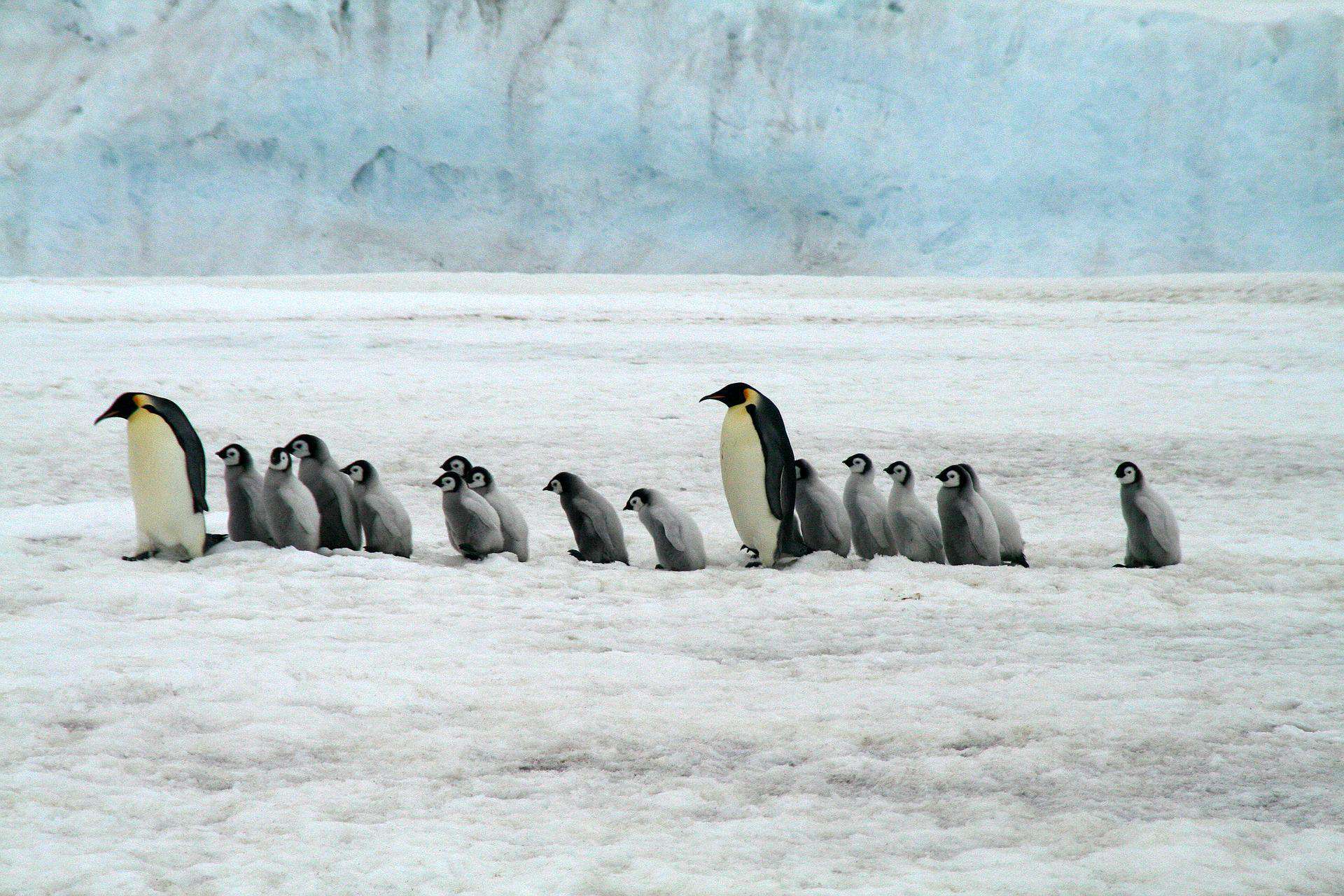
In the heart of Antarctica, emperor penguins endure temperatures plummeting to −40 °C by huddling in massive, tightly packed colonies. This social thermoregulation allows each bird a turn at the warm center, minimizing exposure to lethal winds.
But some animals go even further. The wood frog (Lithobates sylvaticus) survives winter by literally freezing solid. It enters a state of suspended animation, protecting its tissues with glucose that acts as a natural antifreeze. Similarly, the flat bark beetle reduces its body water and produces special proteins, bracing itself against brutal Arctic winters.
Heat masters: Thriving where the sun burns
At the other extreme, the Arabian camel—“the ship of the desert”—withstands blistering 49 °C heat and survives a week or more without water. The Sahara desert ant, meanwhile, scurries across 60 °C sands using long legs that lift its body above the heat and allow lightning-fast movements to find food in minutes before retreating to its cool burrow.
The jerboa, a desert rodent, masters the art of avoidance: it shelters underground during scorching days and forages by night, escaping both predators and punishing heat.
Please also read: How Climate Change Influences Butterflies’ Lives
Birds and deep-sea survivors
Birds, too, display remarkable adaptability. Emperor penguins’ thick feathers and fat layers keep them insulated and waterproof. Bar-headed geese fly over the Himalayas at altitudes where oxygen is scarce, their bodies tuned to extract every possible molecule of air. Roadrunners in Death Valley conserve water through specialized glands and beat the desert’s daily extremes with behavioral strategies like torpor and sun-absorbing plumage.
In the deep sea, far beyond sunlight’s reach, life clings to hydrothermal vents where temperatures can soar to 79 °C. The Pompeii worm (Alvinella pompejana) tolerates these extremes by hosting heat-resistant bacteria on its back, creating a living thermal shield.
The ultimate survivor: Tardigrades
And then there are tardigrades—the “water bears.” These microscopic creatures have colonized glaciers, deserts, ocean trenches, and even (accidentally) the Moon. When conditions become lethal, they enter cryptobiosis: a state so extreme they can survive freezing, boiling, radiation, and vacuum for decades until revived by water.
Conclusion
As Earth’s climate grows more volatile, these extremophiles offer vital clues for science. Their adaptations could inspire breakthroughs in biotechnology, medicine, and even space exploration. But they also remind us of nature’s fragility: many are finely tuned to their niche environments, which are now threatened by human-driven change.
Studying these masters of survival isn’t just about wonder—it’s about understanding resilience and preparing for a future where adaptability will be key to life’s persistence.
Share this:

Discover more from European Wilderness Society
Subscribe to get the latest posts sent to your email.


