Easter, Pastoralism and Living Landscapes: What 2026 Can Teach Us About Shepherding in Europe, Part 2
As Easter approaches in the United Nations’ International Year of Rangelands and Pastoralists 2026, shepherding in Europe deserves renewed attention.
Please also read: Easter, Pastoralism and Living Landscapes: What 2026 Can Teach Us About Shepherding in Europe, Part 2.
From Green Week to a Travelling Shepherd’s Staff
At the beginning of 2026, this living heritage became visible in a striking public gesture. A shepherd’s staff was blessed at Berlin’s Green Week in January and then sent on a journey through the Year of Rangelands and Pastoralists. The staff is described not only as a symbol, but also as an everyday tool of shepherds used for guidance, support and practical flock management.
Green Week has also served as a stage for the European Wilderness Society and its project work. In the last years LIFEstockProtect presented at the fair as a place where farming organisations, conservationists and scientists could engage with practical solutions for livestock protection and sustainable agriculture.
Please also read: Easter, Pastoralism and Living Landscapes: What 2026 Can Teach Us About Shepherding in Europe, Part 1
Shepherding as Living Heritage in Europe
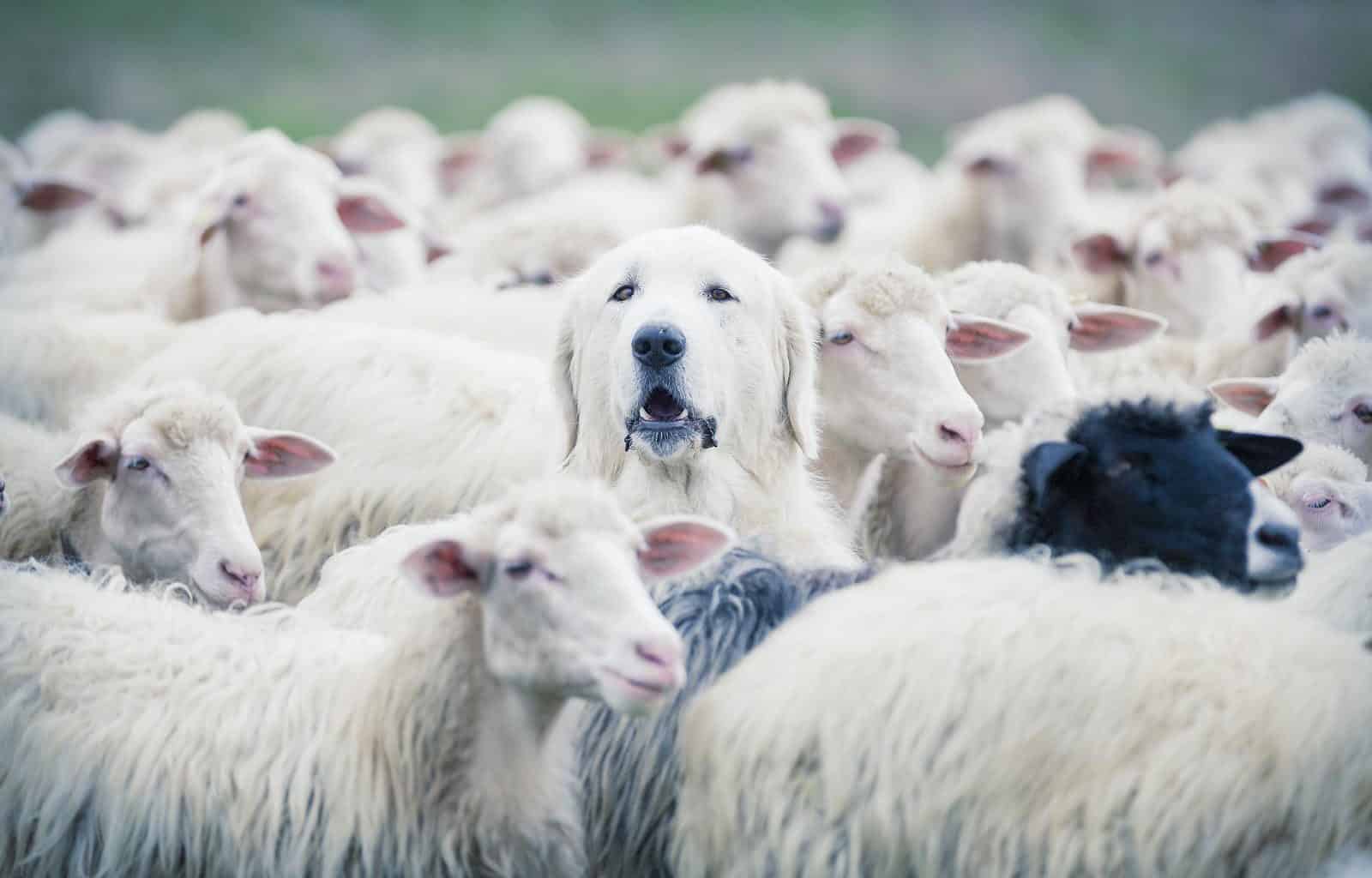
One of the clearest examples featured by the European Wilderness Society comes from Abruzzo in Italy. The Society describes the region as a place with a long and still partly active shepherding tradition, where sheep flocks remain part of the landscape and where almost all herds are accompanied by guard dogs. This reflects a pastoral culture in which herding, livestock protection and coexistence with wildlife are not abstract ideas, but normal parts of everyday life.
The European Wilderness Society also highlights the Routes of Transhumance in Abruzzo historic droving routes that connected seasonal grazing grounds and shaped both the economy and the cultural identity of the region. These routes show that pastoralism is written into the landscape itself, linking movement, memory and land stewardship across generations.
Transhumance, Guard Dogs and Everyday Coexistence
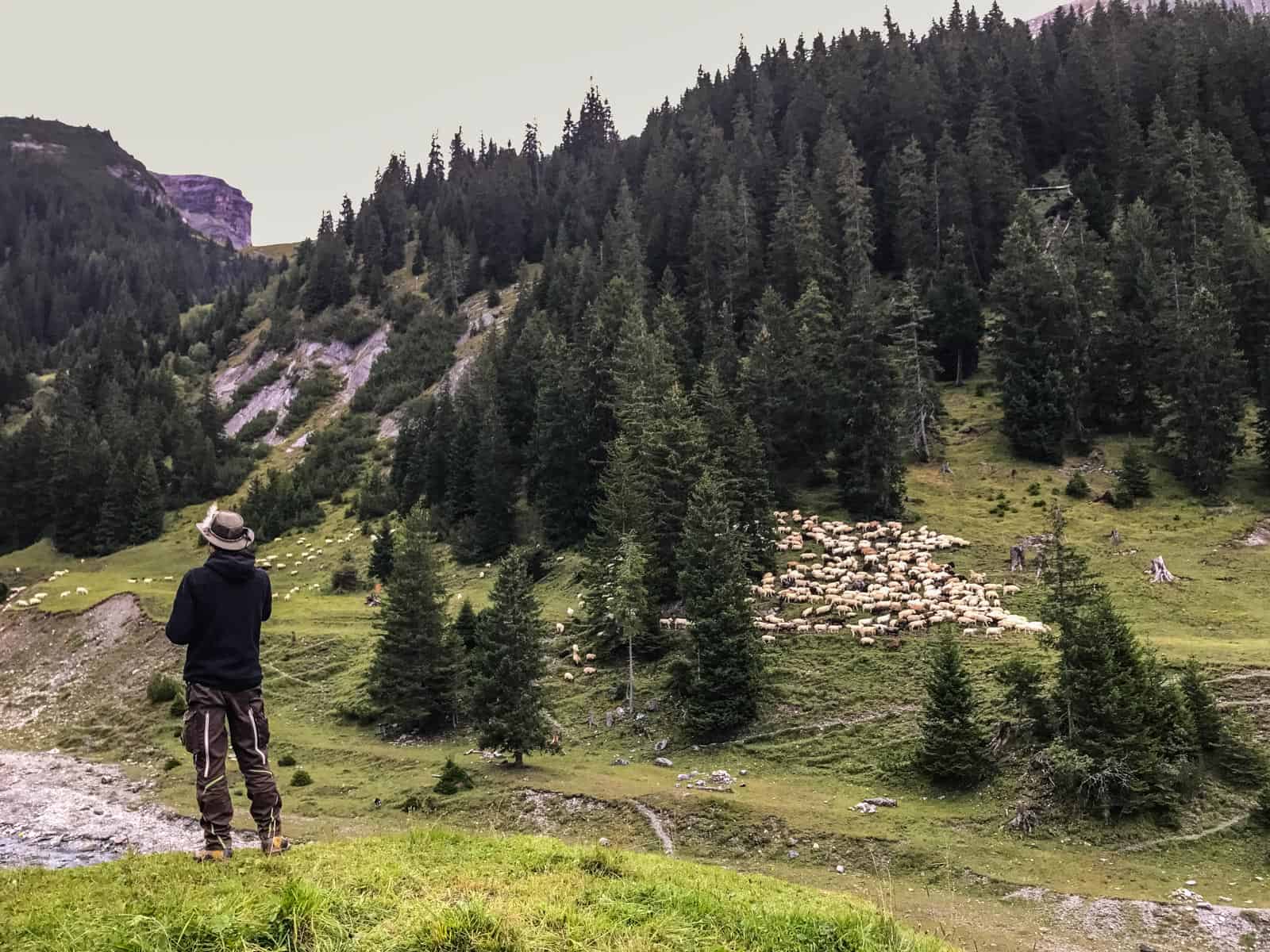
LIFEstockProtect adds another important perspective by showing pastoralism as a contemporary practice that continues to adapt. In South Tyrol, for example, the project documented a form of transhumance along the Adige dam, where Daniel and Sandra move with 150 spectacled sheep, lambs and guarding dogs through a managed grazing cycle. Their work demonstrates how herding today combines traditional knowledge with practical adaptation to modern landscapes, infrastructure and seasonal conditions.
This is also where the deeper value of shepherding becomes visible. Pastoralism is not only about moving animals from one place to another. It is about reading landscapes, coordinating dogs and herds, responding to weather and terrain, and balancing grazing, protection and coexistence in ways that require constant presence and experience.

What LIFEstockProtect Leaves Behind
Although the LIFE project LIFEstockProtect has already concluded, its contribution remains highly relevant in 2026. The project officially began in September 2020 and focused on livestock protection in Austria, Bavaria and South Tyrol, combining practical field work with training, communication and knowledge exchange.
One of its most tangible legacies is the network of Competence Centres. These centres are described as regional contact points for effective and field-tested livestock protection, offering training, demonstrations and expert advice on measures such as electric safety fences, livestock guarding dogs, adapted pasture management and emergency planning. In other words, the project did not just discuss coexistence — it built structures to support it in practice.
The project also made an important contribution to preserving pastoral knowledge itself. In May 2025, a new 200-page LIFEstockProtect catalogue was presented in Mals/Malles, bringing together voices, experiences and specialist knowledge from across the Alpine region. According to the project’s own report, the publication highlights how deeply traditional knowledge of alpine farming and respectful handling of herd animals remain anchored in the region, while also showing how valuable this experiential knowledge is for the future of livestock protection.
Why Pastoral Knowledge Matters for the Future
This is perhaps the most important message for Easter 2026. Shepherding is not merely an image from the past, nor only a seasonal symbol of spring. It is a living practice that continues to sustain biodiversity, shape cultural landscapes and connect practical animal care with long-standing local knowledge.
From the blessing of a shepherd’s staff at Green Week to the transhumance routes of Abruzzo and the field-based legacy of LIFEstockProtect, Europe offers many examples of how pastoralism still matters today. In the International Year of Rangelands and Pastoralists, Easter becomes a fitting moment to recognise that shepherding belongs not only to Europe’s heritage, but also to its future.

Are you interested in Pastoralism as Livestock protection?
If you are interested in pastoralism and livestock protection, the LIFEstockProtect Competence Centres offer valuable practical insights. They demonstrate how effective solutions have been developed and implemented in the field, and they continue to share their experience in fencing, shepherding, livestock guarding dogs and other measures that support the day-to-day coexistence of people, nature, and livestock. The Competence Centres are open to sharing their knowledge with others and can be found not only in the Alpine project regions of Bavaria, South Tyrol and Austria, but also in northern Germany and Italy.
Share this:

Discover more from European Wilderness Society
Subscribe to get the latest posts sent to your email.