Join Wetlands in Action webinar series!
European Wilderness Society, as communication and dissemination partner of the ALFAwetlands Horizon Europe project and webinars host, is glad to
Read More
Wilderness Research and Science

European Wilderness Society, as communication and dissemination partner of the ALFAwetlands Horizon Europe project and webinars host, is glad to
Read More
The Saimaa Ringed Seal is one of the world’s rarest seals. Fewer than 400 of these unique freshwater seals remain
Read More
On World Future Day, we explore the fascinating concept of de-extinction—bringing back species like the woolly mammoth, dodo, and Tasmanian tiger. While cutting-edge science offers hope for restoring biodiversity, de-extinction raises important ethical questions. Can these species truly thrive in today’s world, and is it the best way to protect wilderness for the future? Let’s dive into the science, examples, and challenges shaping the future of wilderness
Read More
The Apollo butterfly (Parnassius apollo), a species of conservation concern throughout Europe, is emblematic of the delicate balance between genetic
Read More
Zoos have always been a subject of both interest and debate. For some, they play a crucial role in conserving
Read More
The evaluation of the Forest Risk suggests a study or analysis of potential dangers or challenges facing forests. It implies
Read More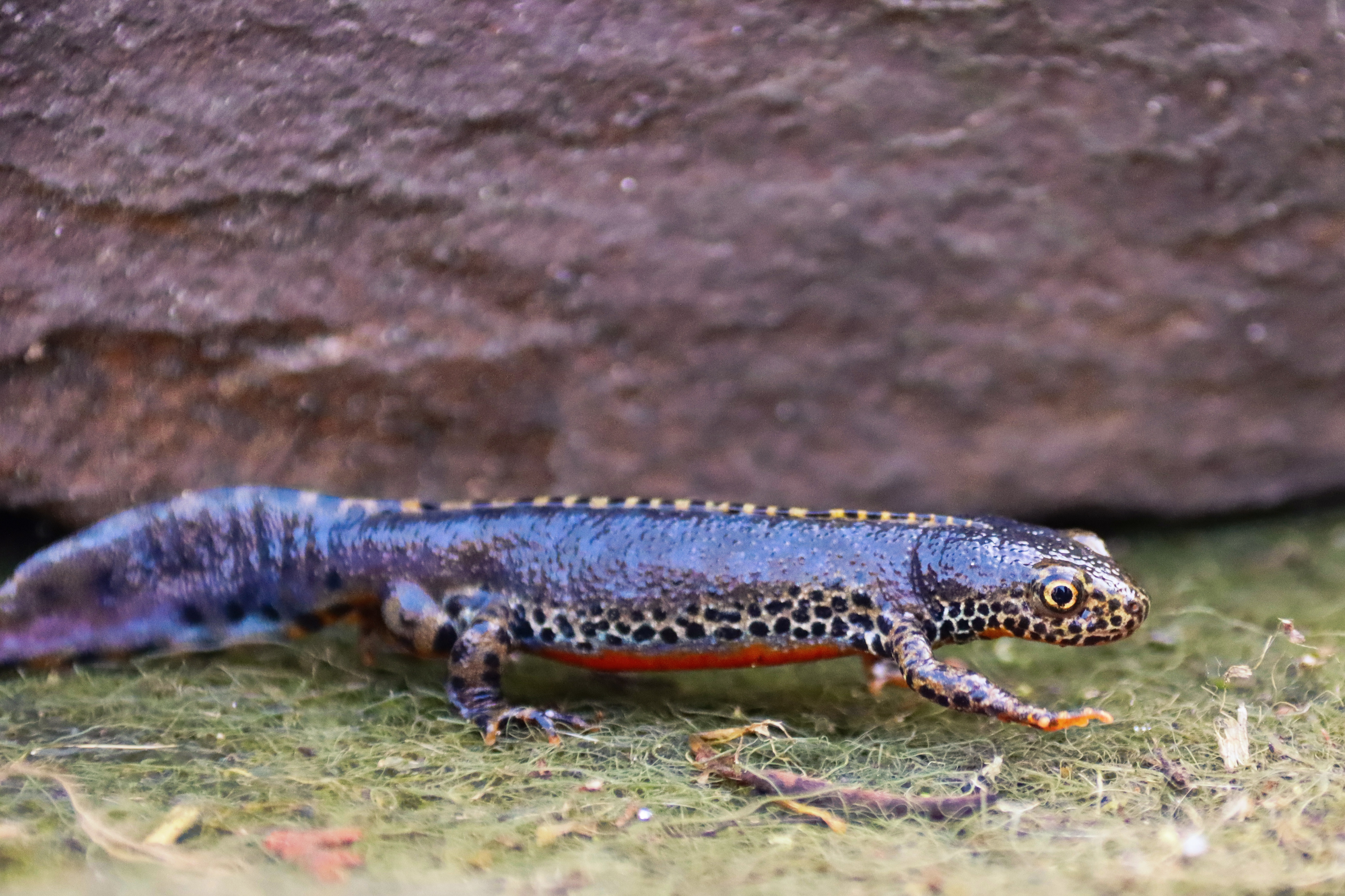
Amphibians—including toads, frogs, salamanders, and caecilians—are among the most threatened class of animals globally. Their unique life cycle, which involves
Read More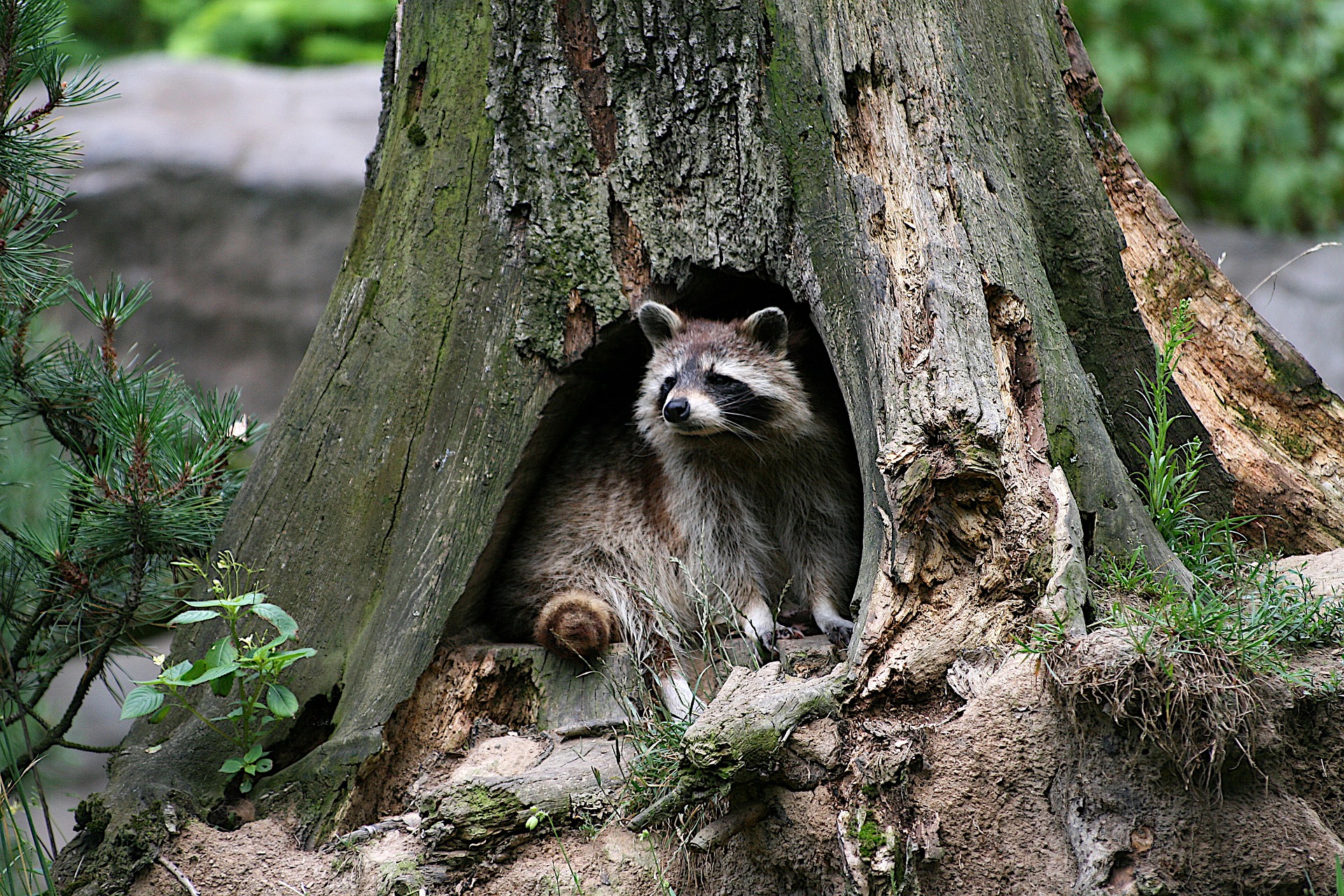
Raccoons pose a significant threat to native fauna in Germany, particularly amphibians and reptiles. Their adaptability and lack of natural
Read More
The wildE is EU Horizon Europe-funded project dedicated to exploring climate-smart rewilding to address the intertwined issues of climate change
Read More
Moths keep surprising us in their evolutionary adaptations to survive. They have the greatest hearing capability of all insects. The
Read More
Today is the Learn about butterflies day! Let us dive a little bit into the evolutionary history of butterflies, and
Read More
A team of researchers from Max-Planck-Institute in Germany, together with scientists from University of Halle-Wittenberg, studied the sense of smell of the
Read More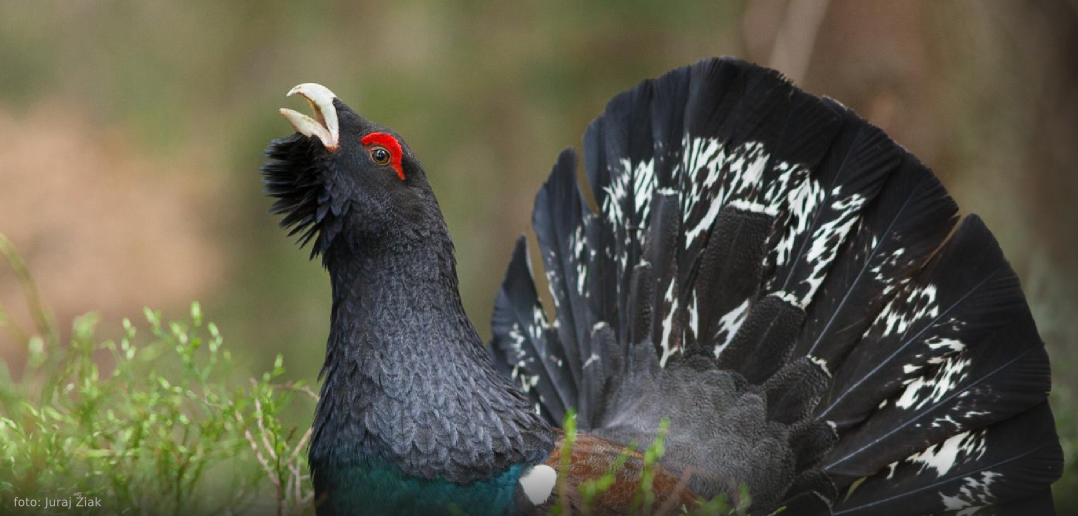
The Western Capercaillie (Tetrao urogallus) is a beautiful and almost mystical bird that has long attracted people’s attention thanks to its way of
Read More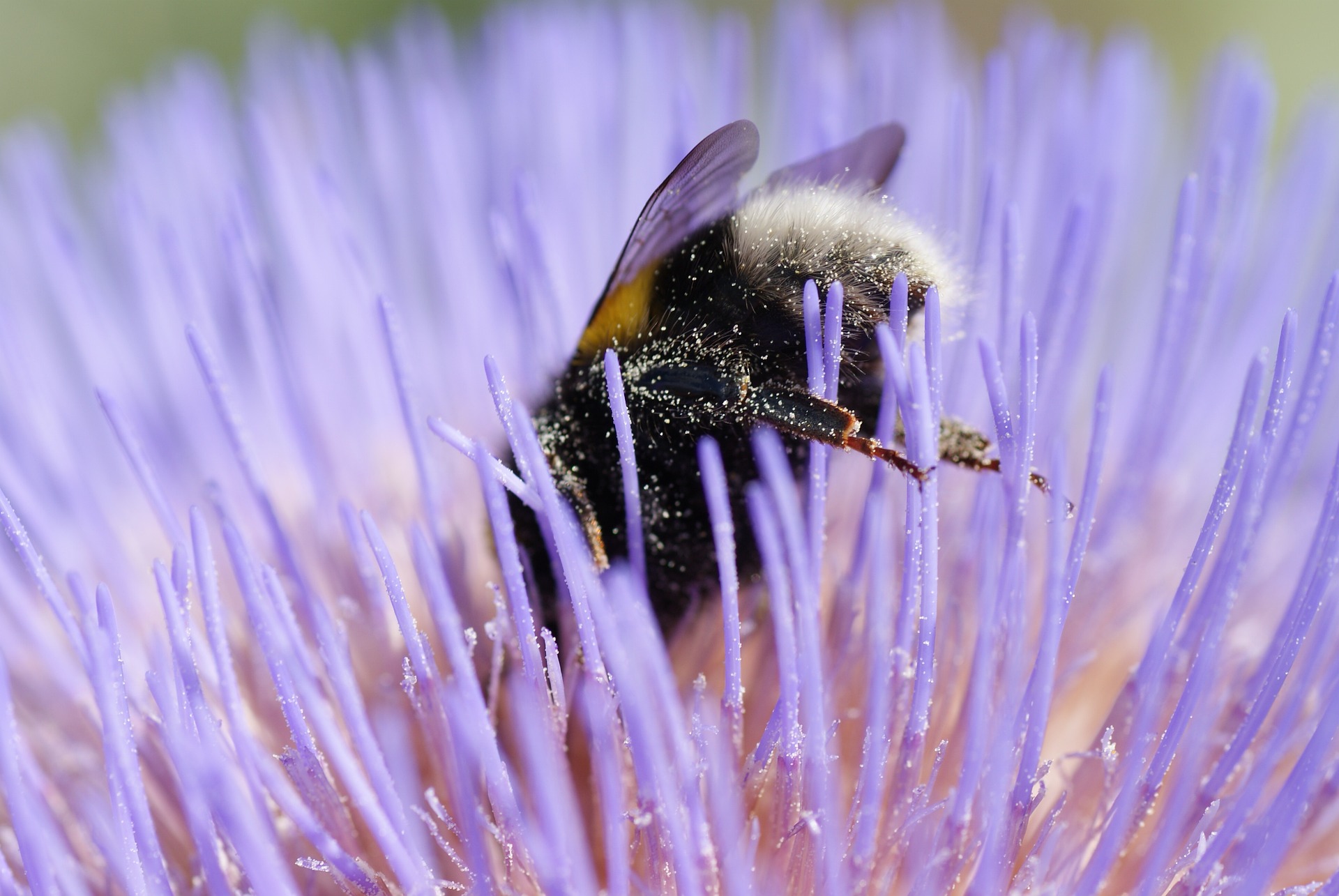
Just recently, the European Union made a startling decision regarding the use of pesticides in member states of the EU.
Read More
Imagine a world where massive bears roamed the land, each with a unique diet shaped to their specialized jaws. A
Read More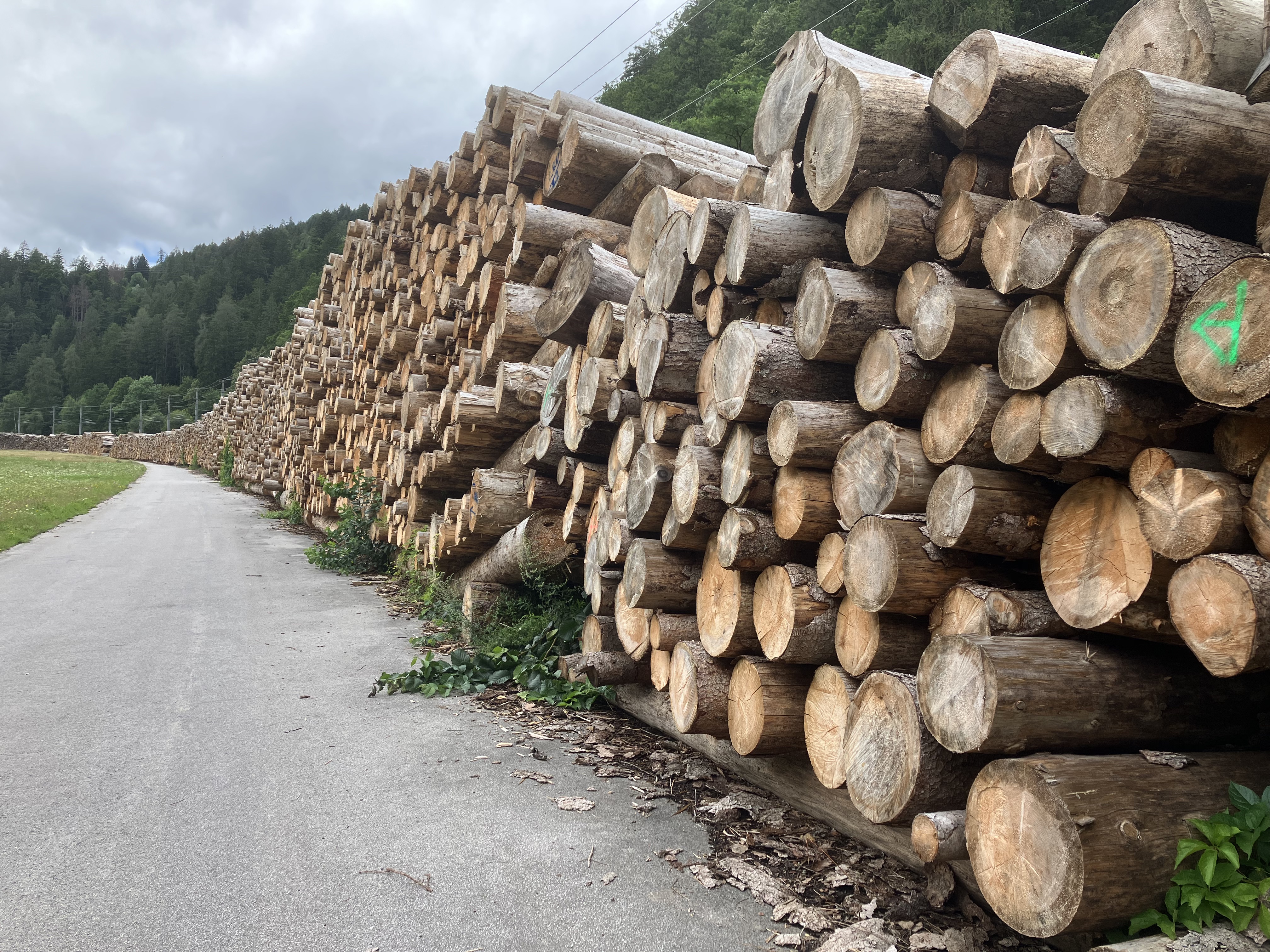
Enterprise Forest Risk Management holds immense importance in safeguarding both natural resources and business interests. By systematically assessing risks like
Read More
In recent years, mounting concerns about the impact of conventional agriculture on the environment, biodiversity, and human health have spurred
Read More
Bees are generally more associated with flowering meadows than with dense forests. The forest, however, is considered their original habitat.
Read More
Almost all of us are familiar with monarch butterflies, which attract attention with their bold orange wings. But why are
Read More
Discovery of a discovery In North Otago, on New Zealand’s South Island, between 2016 and 2017, Alan Tennyson from the
Read More