Finally some good news: restoring the ozone layer
According to a report by the UN, the ozone layer is slowly but surely recovering. In 1985, scientists first discovered
Read More
Wilderness Research and Science

According to a report by the UN, the ozone layer is slowly but surely recovering. In 1985, scientists first discovered
Read More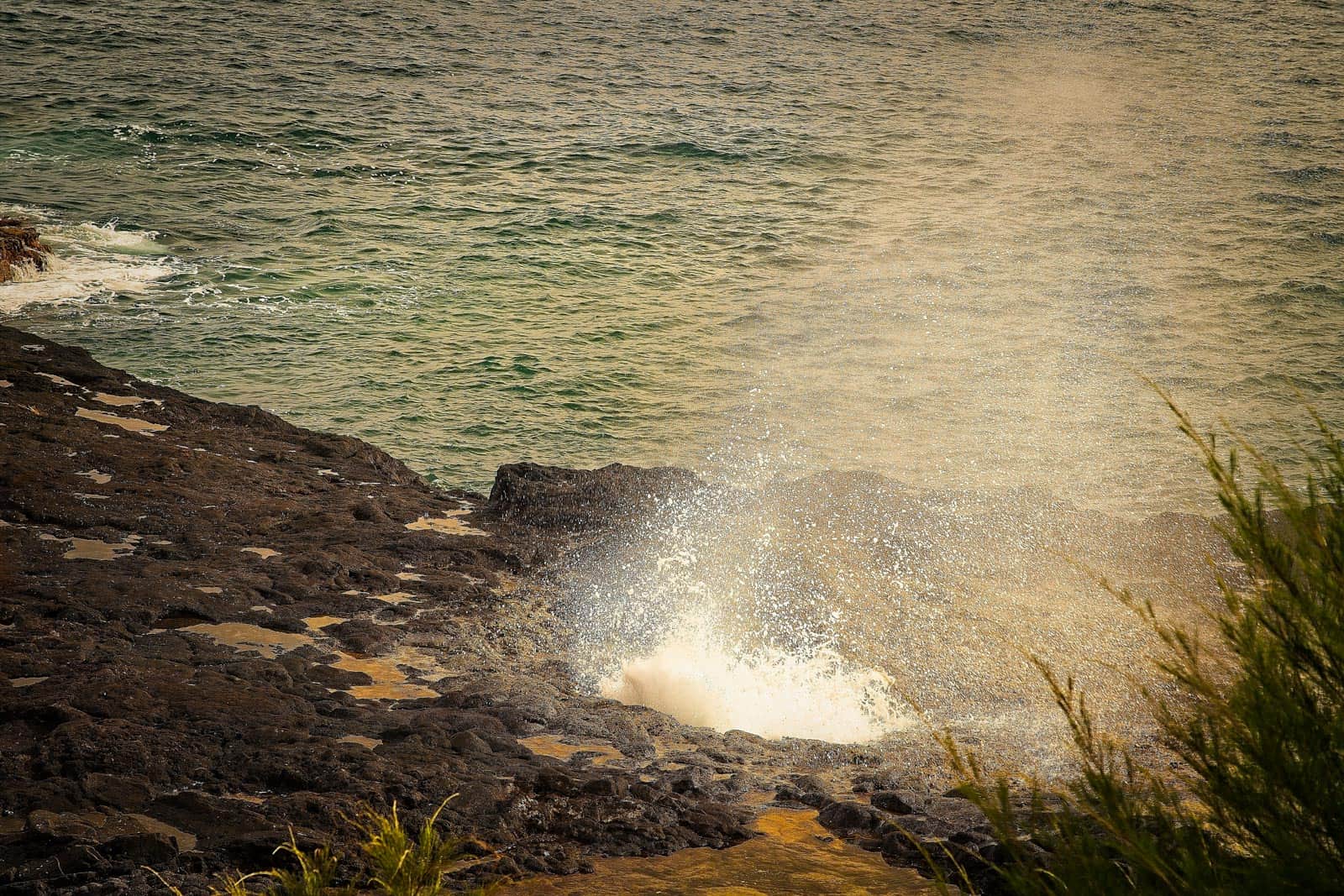
Asturias, a small region in Spain, brings together the largest concentration of blowholes in Europe. But before we get more
Read More
ALFAwetlands HORIZON project, supported by the European Union, is focusing on the various kind of peatlands, wetlands and floodplains across the
Read More
Grasslands are biodiverse landscapes which have unfortunately declined in Europe due to intensification of agriculture. Farmland birds especially thrive in
Read More
Using social media can sometimes seem like shutting yourself off from the outside world. But what if it could have
Read More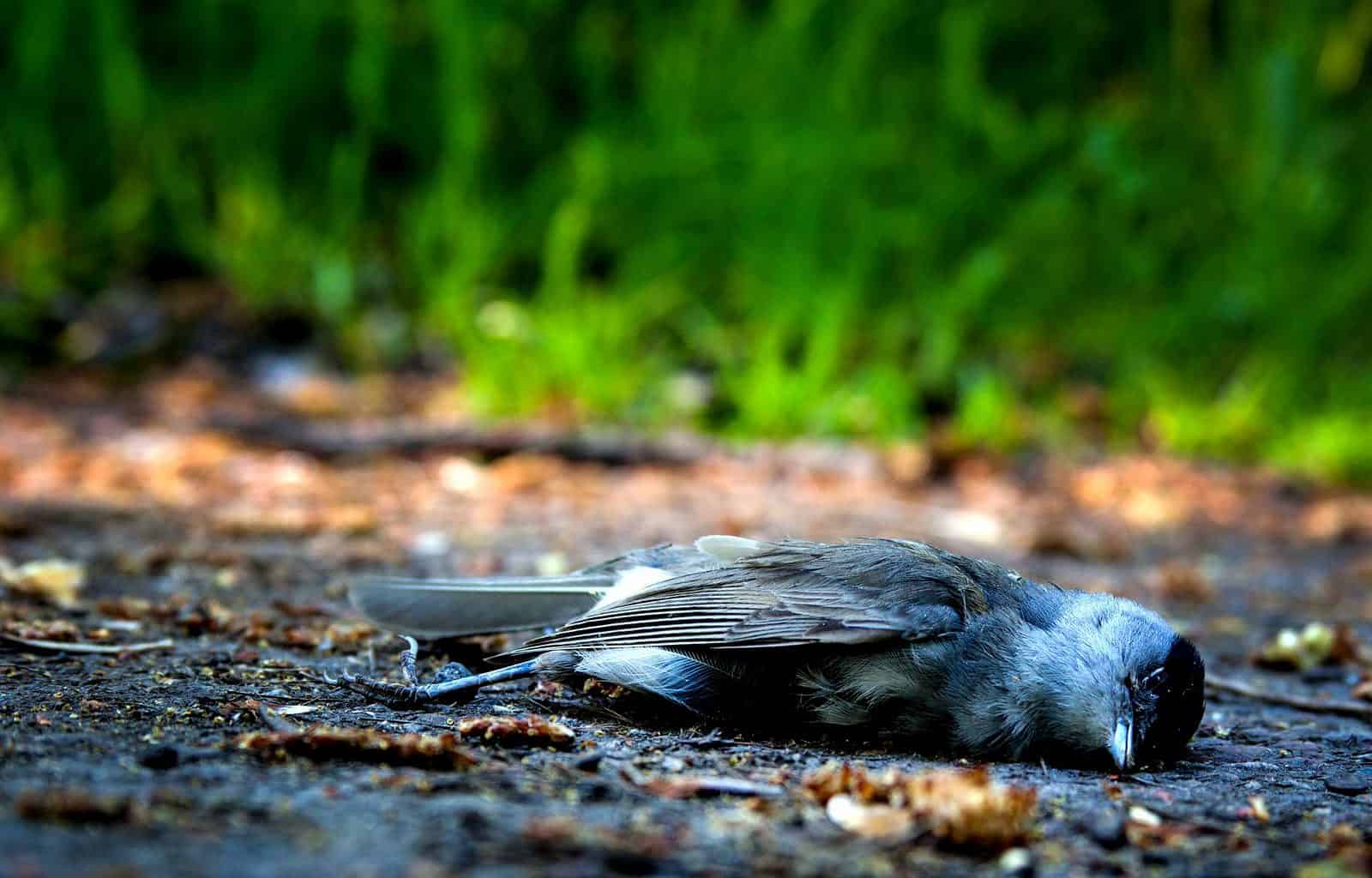
A sorrow that probably every domestic cat owner knows: once again, cat Lilli or tomcat Mau has brought a living
Read More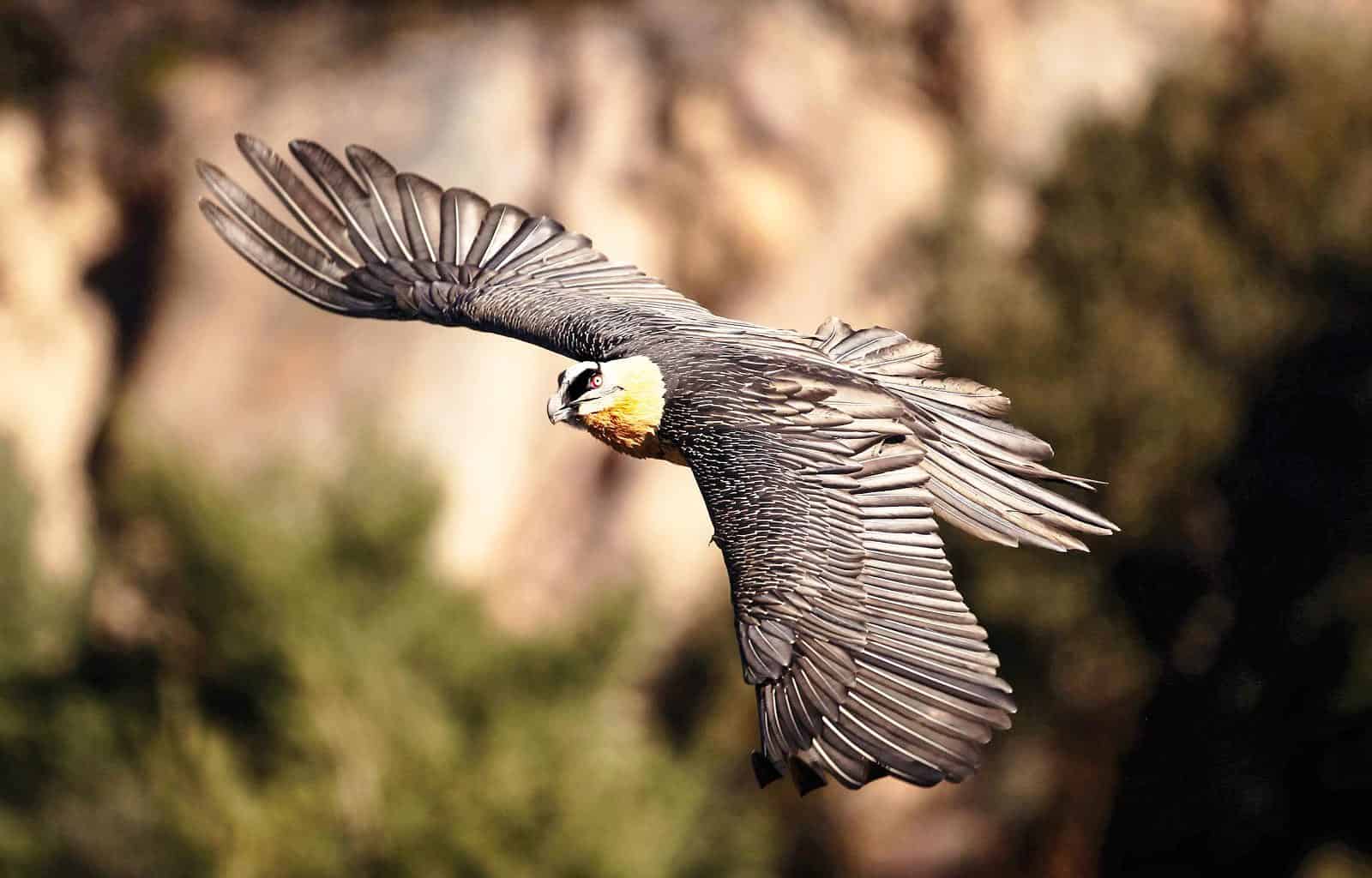
The line between natural and human landscapes is becoming more blurred in Europe. As a result, we can expect people
Read More
The carbon emissions caused by our high energy consumption aren’t only harmful to ecosystems, but also impact human societies on
Read More
May 14th is World Migratory Bird Day, and this year’s theme will focus on light pollution. Migratory birds have evolved
Read MoreChinese giant salamanders (Andrias sp.) are extraordinary creatures which are sadly at risk of extinction. However, the recent discovery of
Read More
The European wildcat is classified as “Least Concern” by the IUCN, but populations are declining and it is in Annex
Read More
Countries make their plans on how to live without Russian gas and oil. Facing incredible changes in the geopolitics playground,
Read More
Everything makes sense in the life cycle of the world’s oceans: dead mussels, dead plant remains, even faeces. Whale excrements
Read More
Satellite imagery has previously estimated that 20-40% of the Earth’s surface is still in relatively good condition and has not
Read More
The full impact of the COVID-19 pandemic on the environment will take years to understand. British scientists investigated the effects
Read More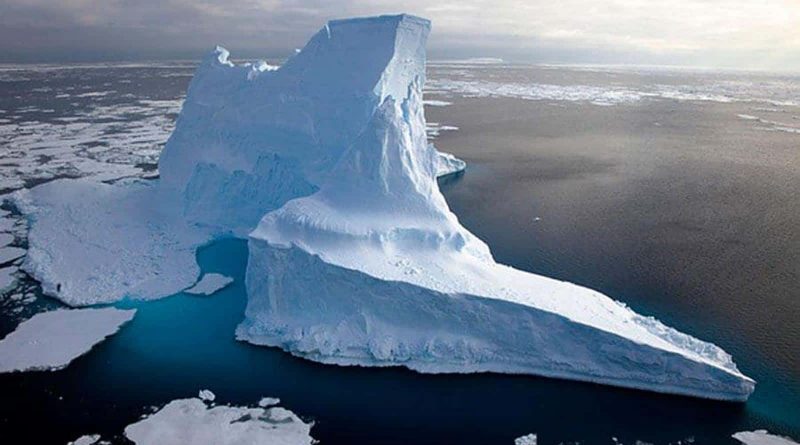
On 6 February 2020, the World Meteorological Organization (WMO) recognized a new high temperature record for the Antarctic continent: 18.3°C,
Read More
The current biodiversity crisis is affecting countless species, whether common or rare. Even areas with stricter conservation laws are seeing
Read More
A new study from the ETH Zurich found out that trees in cities actually make huge difference in terms of
Read More
As the wolf is increasingly recolonising inhabited areas of Europe, stories of conflict with livestock owners have become commonplace. This
Read More