
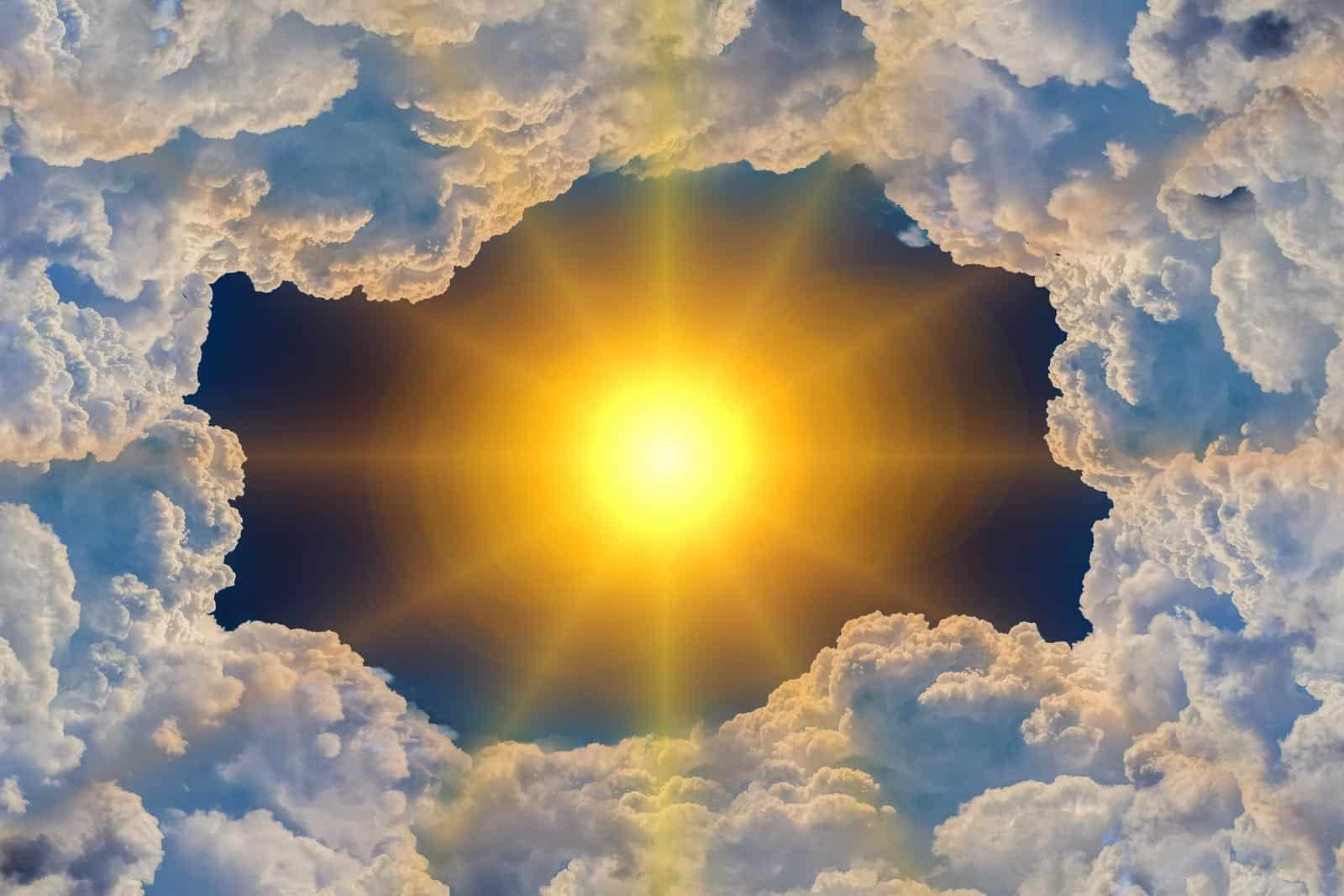
Solar storms and the hidden risks for animals
Last year witnessed one of the most powerful solar storms in two decades, painting the skies over the U.S., Europe, and Asia with spectacular auroras—those mesmerizing northern lights that enchant human eyes. But while these celestial light shows inspire wonder, they may also be causing chaos for wildlife that rely on Earth’s magnetic field for navigation.
Nature’s hidden GPS — the Earth’s magnetic field
Our planet is wrapped in an invisible shield generated by the spinning of its molten iron core, creating a magnetic field that extends far into space. Humans cannot naturally sense this magnetic field, but many animals do. Birds, bees, whales, and dolphins, among others, possess the remarkable ability to detect these magnetic lines, using them as a built-in GPS to guide their migrations and daily movements—especially crucial when visual landmarks are unavailable, like during nighttime flights or in deep oceans.
However, this magnetic field is not static. It fluctuates naturally throughout the day and with the seasons. But during solar storms—intense bursts of energy and charged particles erupting from the sun—these fluctuations can become extreme and chaotic.
Please also read: The climate crisis dries out Europe
When the magnetic map goes haywire
Scientists, including physicists and ecologists, have been investigating whether solar storms disrupt animals’ magnetic navigation. The findings are striking: solar storms may cause animals to stray off course, sometimes with deadly consequences.
- Whales Going Astray: Research led by Klaus Heinrich Vanselow in Germany found that up to 20% of sperm whale strandings in the North Sea correlate with solar storm activity. The North Sea acts like a trap—whales that normally inhabit deep waters can get disoriented, move into dangerously shallow areas, panic, and strand themselves. Similarly, studies show that gray whale strandings increase when solar storm-related radio-frequency disturbances are high.
- Birds Losing Their Way: Migratory birds such as European Robins and homing pigeons have been observed to deviate from their usual routes during geomagnetic disturbances. Young birds relying on simple directional navigation are particularly vulnerable, as they may not be able to correct their course, unlike experienced adults. During strong solar events, fewer birds migrate, and those that do face greater challenges navigating.
NASA’s quest to unravel the mystery of cetacean strandings
Mass strandings of whales, dolphins, and porpoises worldwide—some involving hundreds of animals—remain a baffling phenomenon. Could the sun’s tantrums be partially to blame?
NASA heliophysicist Antti Pulkkinen, collaborating with marine biologists and conservation organizations like the International Fund for Animal Welfare (IFAW), is leading an unprecedented, data-driven study. By cross-referencing detailed records of solar activity and space weather with documented cetacean strandings, they aim to test the long-suspected but never rigorously analyzed hypothesis: that solar storms disrupt marine animals’ magnetic compasses.
Their large-scale data mining will analyze hundreds of mass stranding events alongside solar storm records, hoping to establish statistically significant correlations. Even if causation is not confirmed, discovering patterns could revolutionize how scientists and responders anticipate and address these strandings.
Implications for conservation and wildlife protection
Understanding the influence of solar storms on animal navigation is more than academic curiosity. If solar activity can serve as an early warning for potential strandings, wildlife rescue networks worldwide could prepare more effectively, potentially saving many animals from tragic fates.
That said, experts caution that solar storms are just one piece of a complex puzzle. Habitat loss, climate change, human-made sonar, and environmental conditions all contribute to the challenges animals face today.
As solar maximum—the peak of solar storm activity—approaches in the coming years, monitoring and research will be crucial. Although magnetic disturbances do not threaten entire populations outright, they may add stress to vulnerable groups already struggling to survive in an increasingly human-altered world.
Conclusion
The sun’s power reaches far beyond providing daylight—it influences the invisible magnetic highways that countless species rely on for survival. Solar storms, while dazzling to watch from Earth, may cast ripples through ecosystems, redirecting migrations and contributing to strandings that remind us how connected cosmic phenomena and terrestrial life truly are.
As scientists continue to decode these celestial influences, we gain not only insight into the natural world’s complexities but also tools to better protect the creatures that share our planet.
Share this:

Discover more from European Wilderness Society
Subscribe to get the latest posts sent to your email.


