Wilderness Preserved in Amber and Fossils
A drop of resin is one of nature’s most incredible archives. When, thousands of years ago, a tiny insect, a blade of grass, or a grain of pollen became trapped in it, nature unknowingly created a perfect chronicle of a world that no longer exists.
In these preserved fragments, we see a surprisingly vivid image of prehistoric wilderness – an original, undisturbed landscape where every leaf, every creature, and every random movement of the wind was part of its own dynamic universe. Amber is not just a frozen scene; it is a moment that has survived all changes, allowing us to glimpse the ecosystems of ancient forests exactly as they functioned at that time.

Ammonites and the Great Extinction
Ammonites, relatives of molluscs, carried a different kind of message. While amber preserves individual details, ammonites tell a story of scale and time. Their numerous and diverse fossils reveal how rich ancient marine environments once were – and how quickly they could change. The boundary between their abundance and their sudden disappearance is unmistakable in the geological record.
It reminds us that even the most successful groups of organisms can be vulnerable to sudden upheavals. Together with amber, they create a strong contrast: the delicacy of a single moment versus the sweeping arc of history. In this contrast, we see not only the variability of biodiversity but also the immense value of prehistoric wilderness, which was once far more extensive than we can imagine today.
Connection to Today
Traces of the past in the modern landscape – a connection to today – remind us that the past is still present in our surroundings. When we bring these images of ancient nature into the present, a disturbingly familiar picture emerges. Today, we witness changes that unfold at a pace reminiscent of past catastrophic events. Forests, mountain habitats, and lowland ecosystems are changing faster than we can fully realize what is disappearing.
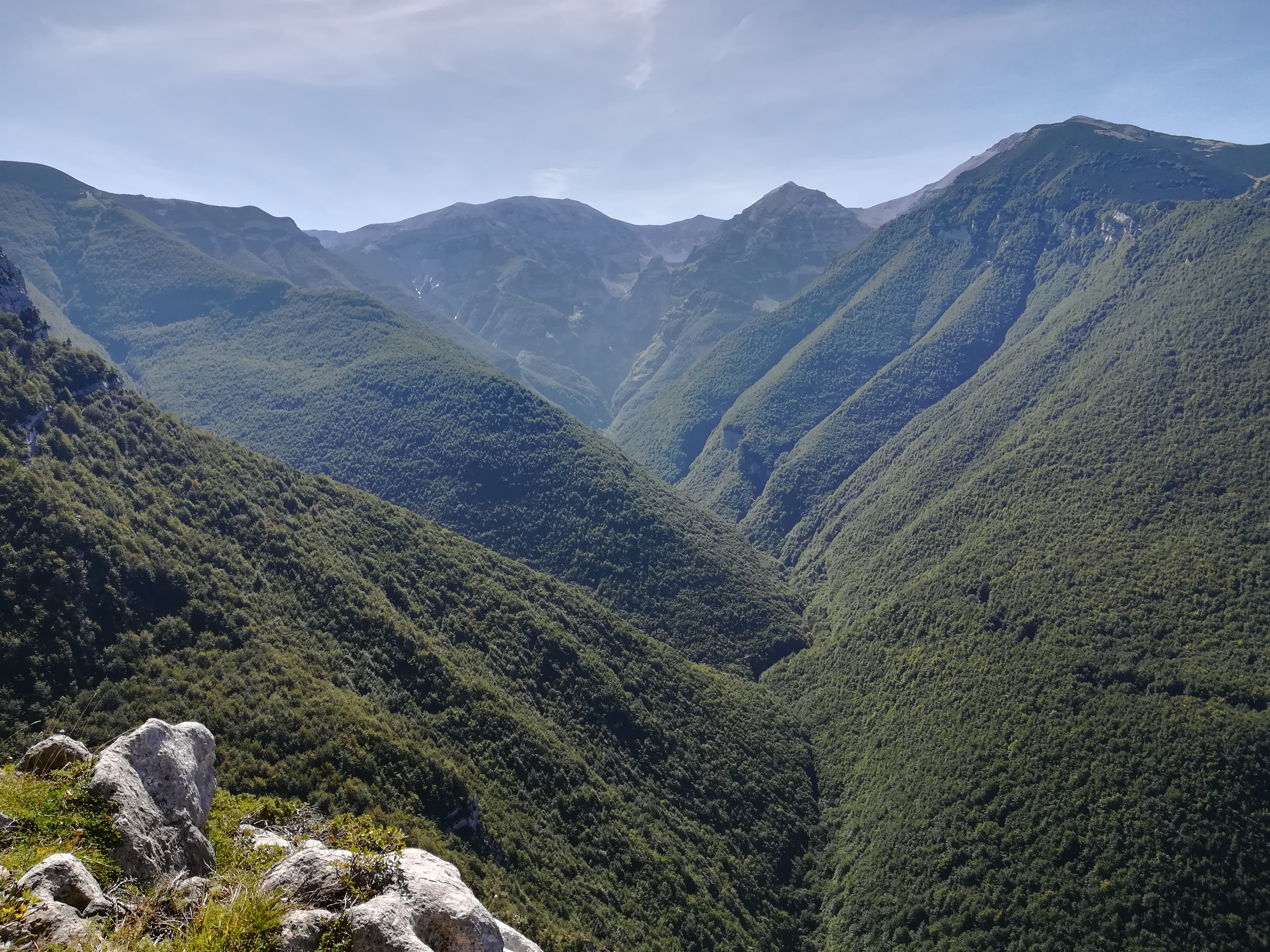
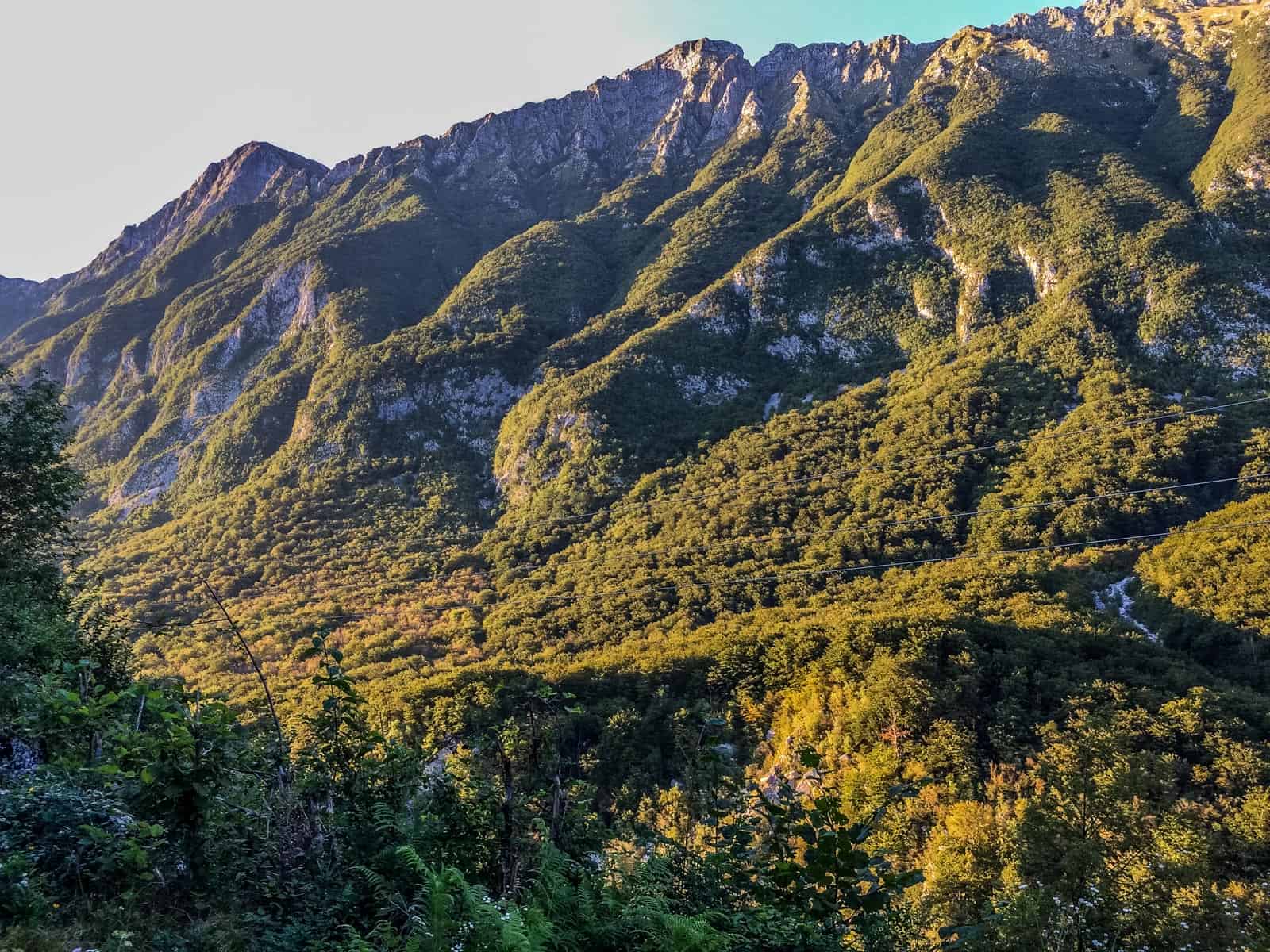
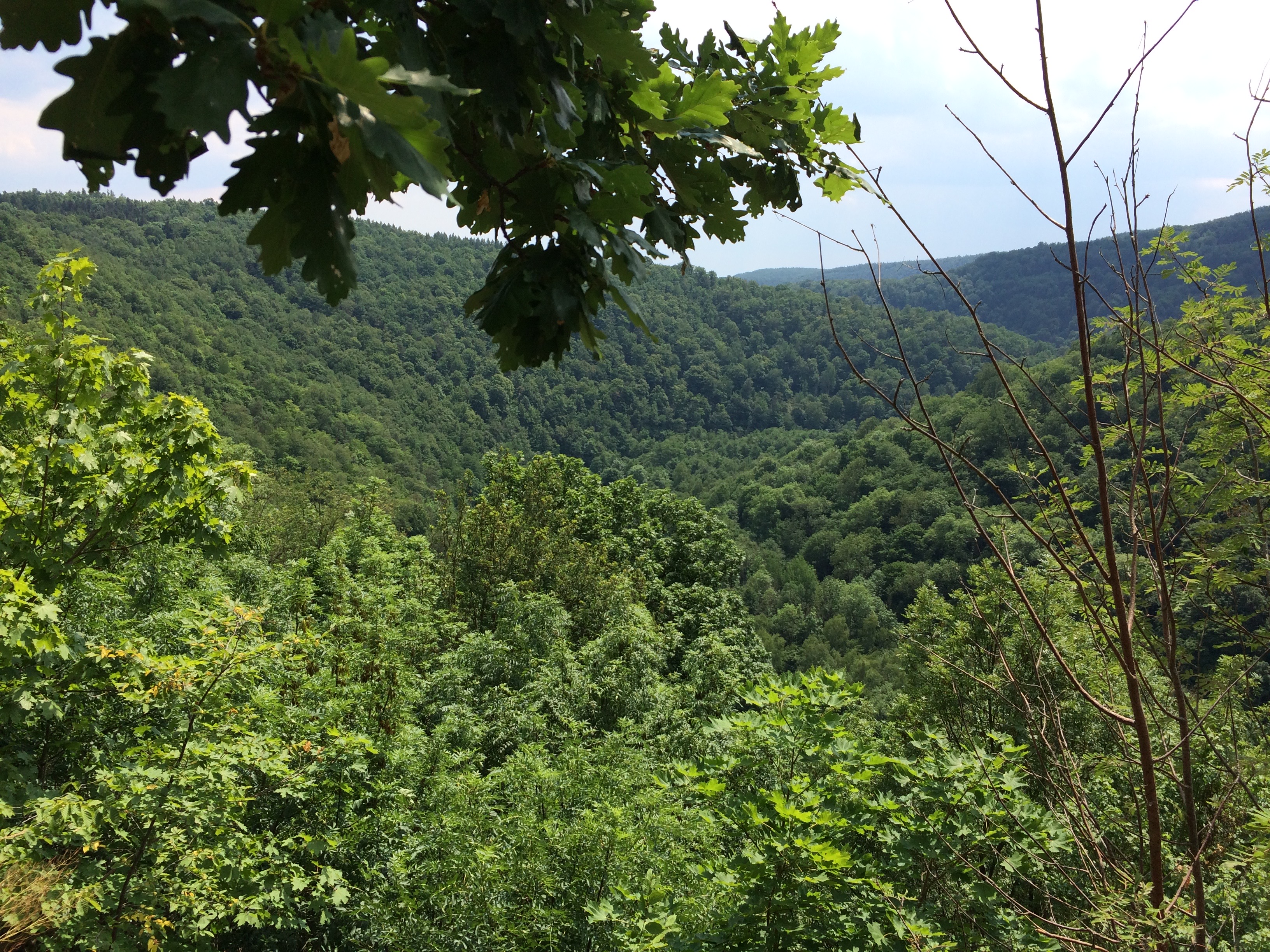
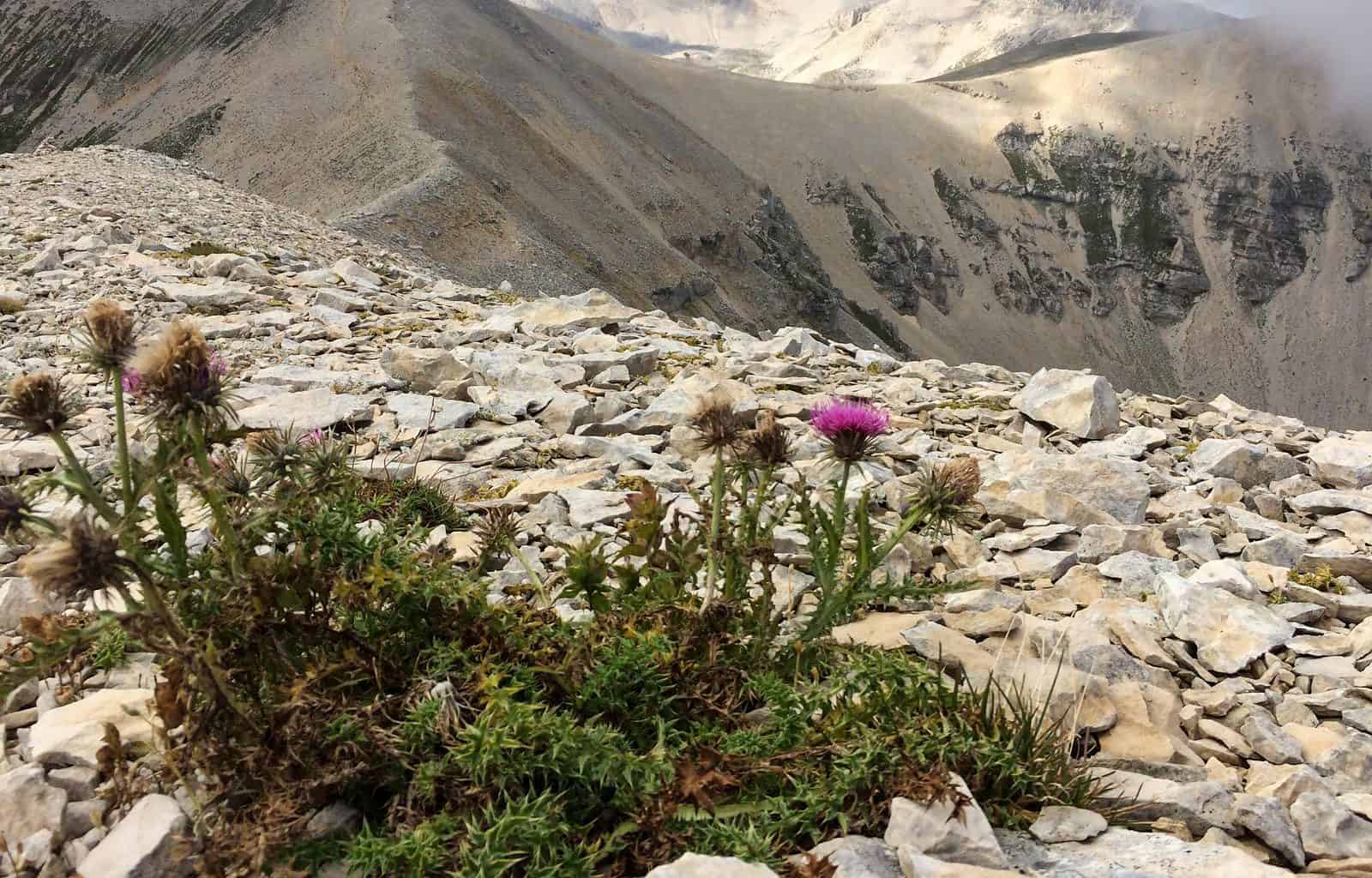
For example, the Carpathian landscape – from dense, primeval valleys to wind-swept highlands – still preserves fragments of prehistoric wilderness. These are areas where natural processes that shaped life long before our presence can still be observed. These places show us most clearly what can be lost if pressures on nature continue. Current changes in biodiversity are not just statistics or abstract threats – they are real stories of species that either adapt or quietly vanish, much like ammonites once did.
Human activities such as logging, mining, and unregulated tourism threaten Carpathian ecosystems across countries like Poland, Slovakia, Ukraine, and Romania, leading to habitat loss and fragmentation. Additionally, expanding infrastructure and illegal wildlife exploitation further endanger native species and weaken ecological resilience throughout the region.
We should care about such unique ecosystems because they support remarkable biodiversity, provide vital climate and water regulation services, and sustain cultural heritage and local communities that rely on their health and stability.

Conclusion
The stories preserved in amber and stone remind us that nature is constantly changing, but they also show how irreplaceable periods of undisturbed ecosystems are. Prehistoric wilderness was an environment of immense resilience and fragility – the same applies to the last remnants of natural wilderness today. What remains after us will no longer be a matter of chance or geological catastrophe but the result of our choices. The past teaches us that stability is precious, and the future depends on whether we can recognize the value of wilderness in time.
Share this:

Discover more from European Wilderness Society
Subscribe to get the latest posts sent to your email.